

The Power of AI in Manufacturing
In the rapidly evolving landscape of manufacturing, AI (Artificial Intelligence) is increasingly being embraced as a key technology to drive efficiency, productivity, and innovation. From predictive maintenance to autonomous robotics, AI is revolutionizing the way factories operate and enabling a new era of smart manufacturing.
What is AI in Manufacturing?
AI in manufacturing refers to the use of artificial intelligence technologies such as machine learning, computer vision, and natural language processing to automate and optimize various processes within a manufacturing environment. By analyzing vast amounts of data in real-time, AI can help manufacturers make informed decisions, identify patterns, and streamline operations.
How Does AI Benefit the Manufacturing Industry?
- Predictive Maintenance: AI can analyze data from sensors and machines to predict when equipment is likely to fail, allowing for proactive maintenance and minimizing downtime.
- Quality Control: AI-powered systems can inspect products for defects with precision and accuracy, ensuring high-quality standards are met consistently.
- Supply Chain Optimization: AI algorithms can optimize inventory levels, streamline logistics, and predict demand, leading to cost savings and improved efficiency.
- Production Planning: AI can optimize production schedules, allocate resources efficiently, and predict bottlenecks to enhance overall production output.
Challenges and Opportunities of Implementing AI in Manufacturing
While the potential benefits of AI in manufacturing are vast, there are also challenges that come with implementing this technology. Manufacturers may face issues such as data security concerns, workforce upskilling requirements, and integration with existing systems. However, the opportunities for growth, innovation, and competitive advantage are compelling reasons for manufacturers to embrace AI.
Real-World Applications of AI in Manufacturing
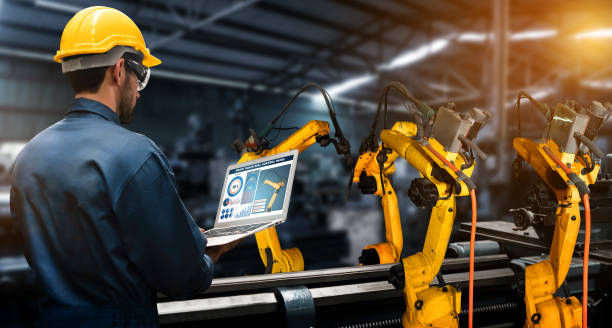
- Robotics: AI-powered robots are being used for tasks such as assembly, packaging, and material handling, increasing efficiency and reducing the risk of human error.
- Energy Management: AI can optimize energy usage in manufacturing facilities, reducing costs and environmental impact.
- Supply Chain Management: AI algorithms are used to analyze demand patterns, optimize inventory levels, and enhance overall supply chain efficiency.
- Product Customization: AI can analyze customer data and preferences to personalize products and tailor manufacturing processes accordingly.
Conclusion
In conclusion, AI in manufacturing is reshaping the industry by driving the emergence of smart factories of tomorrow. Manufacturers who leverage AI technologies stand to gain a competitive edge by improving efficiency, reducing costs, and enhancing overall productivity. As advancements in AI continue to unfold, the future of manufacturing looks brighter than ever.
Discover how AI in manufacturing is revolutionizing the industry and driving the smart factories of tomorrow. Learn about the benefits, challenges, and real-world applications of AI in manufacturing.