

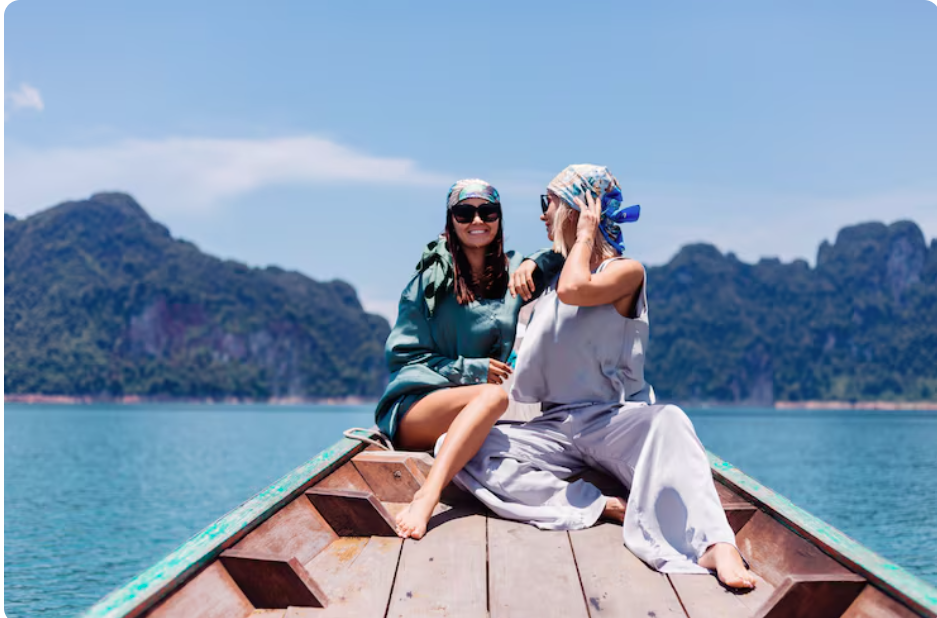
Travel in 2026 is not about doing more. It is about doing less, better. People are burned out on overpacked itineraries, rushed connections, and trips that feel like work. Boat travel fits the new mindset perfectly because it removes pressure and restores purpose to movement.
Island hopping and slow cruising are no longer niche styles. They are becoming the default for travelers who want depth instead of density.
The Death of the Checklist Trip
The old model of travel rewarded volume. More cities, more flights, more photos. That approach is collapsing under its own weight. Travelers are realizing that rushing through places creates shallow memories and constant fatigue.
Boat travel rejects that model entirely. You move at the speed of water, not Wi Fi. Distances feel real. Arrivals feel earned. Instead of ticking boxes, you settle into places.
This is exactly what modern travelers want. Fewer stops. Stronger impressions.
Why Island Hopping Makes Sense Now
Island hopping by boat is efficient without feeling rushed. Short distances remove the need for early wake ups, security checks, and transfers. You wake up, move, arrive, and start living.
Each island feels connected to the last because the journey between them is continuous. There is no mental reset like there is with flights. The story flows.
That continuity is why island hopping resonates so strongly with people seeking meaning in travel. It feels intentional, not fragmented.
Slow Cruising Aligns With How People Actually Want to Live
Slow cruising mirrors the lifestyle people aspire to, even when they cannot live it full time. Unstructured days. Natural rhythms. Space to think.
On a boat, mornings are quiet. Evenings slow down naturally. Meals stretch longer. Conversations deepen. This is not accidental. The environment enforces it.
Instead of fighting distractions, slow cruising removes them. That is why it feels restorative instead of indulgent.
Control Replaces Convenience
Convenience used to define good travel. Now it feels hollow. People want control instead.
Boat travel gives you control over pace, direction, and time. If weather shifts, you adjust. If a place feels right, you stay longer. There is no penalty for changing your mind.
That flexibility is rare in modern travel and deeply attractive to people who feel boxed in by schedules everywhere else in life.
The Visual Language of Slow Travel
Social media has shifted alongside traveler preferences. Loud edits and fast cuts are losing ground. Calm, cinematic movement is winning.
Boats naturally create this visual language. Long horizons. Gentle motion. Natural sound. No need to manufacture drama.
Island hopping footage feels grounded because it shows progression. Slow cruising content feels aspirational because it shows peace. Both align perfectly with where attention is moving.
The Psychological Impact of Water Travel
Water creates mental separation from daily life faster than land travel. Signals drop. Noise fades. Movement becomes predictable.
This is not just aesthetic. It is psychological. The brain relaxes when the environment is consistent and rhythmic. Boats provide that consistency.
That is why people return from boat trips feeling reset, not just entertained.
Tradition Still Matters on the Water
Despite modern technology, boat travel still relies on timeless systems. Communication, navigation, and identification remain critical, especially when moving between regions.
This is where Signaling flags still play an important role. They communicate intent, nationality, and status without words or screens. In a world obsessed with digital tools, these physical signals remain reliable and respected.
Travelers are drawn to this blend of old and new. It feels grounded. It feels real.
Island Hopping Encourages Cultural Respect
Arriving by boat changes how you enter a place. You come in slowly. You see how the land meets the sea. You notice fishing boats, harbors, and daily rhythms.
This creates a natural respect for local culture. You are not dropped into a tourist zone. You approach like a guest.
That mindset shift matters to travelers who want ethical, responsible experiences without performative behavior.
Why This Mindset Will Dominate 2026
Remote work, flexible schedules, and burnout culture are reshaping how people travel. They are no longer escaping work. They are redesigning life in small windows.
Boat travel supports that shift. It allows travel to blend with living instead of interrupting it.
Island hopping offers variety without chaos. Slow cruising offers rest without boredom. Together, they form a travel style that feels sustainable emotionally and physically.
This Is Not About Boats Alone
Boat travel is not the goal. The mindset is. Presence over pace. Quality over quantity. Control over convenience.
Boats simply happen to be the best tool for delivering that experience right now.
As more travelers adopt this approach, expectations will continue to shift. Trips will get longer. Destinations will matter more. Movement will slow down.
And that is exactly the point.