
Hay is more than just bedding or a snack for small pets; it is a key part of their daily diet and long-term health. For rabbits, guinea pigs, chinchillas, and other small animals, the right hay aids digestion, dental health, and overall well-being. Choosing the right small animal hay can greatly impact your pet’s energy, comfort, and lifespan.
With so many hay types available, it can be hard to know which is best for your pet. This guide covers the most common types of small-animal hay, their benefits, how to select the right one, feeding tips, storage advice, and the latest trends in the hay market.
Why Small Animal Hay Is So Important?
Small animals naturally graze. In the wild, they spend hours chewing fibrous plants, which keeps their digestive systems healthy and wears down their teeth. Domestic pets need small animal hay to fill these same needs.
High-quality hay helps:
- Maintain healthy digestion
- Prevent gastrointestinal blockages
- Support natural tooth wear
- Reduce boredom through foraging
- Provide essential fiber and nutrients
For most herbivorous small pets, hay should make up 70 – 80% of their daily diet.
Key Nutritional Role of Hay for Animals
Understanding the importance of hay makes it easier to choose the right type.
1. Digestive Health
Hay is high in fiber, which helps food pass through the digestive tract and prevents stasis, a serious condition in rabbits and guinea pigs.
2. Dental Health
Small animals’ teeth grow continuously. Chewing hay naturally wears down teeth and prevents painful overgrowth.
3. Mental Stimulation
Hay encourages chewing and foraging behaviors, which help reduce stress and boredom.
This is why hay is not optional for animals; it is essential.
Common Types of Small Animal Hay
Not all hay is the same. Different types offer various nutritional benefits and are suited for different life stages and species.
1. Timothy Hay
Best for: Adult rabbits, guinea pigs, chinchillas, and degus.
Timothy hay is the most popular and widely recommended small animal hay.
Benefits:
- High fiber content
- Low protein and calcium
- Supports digestion and dental health
This hay is ideal for daily feeding and long-term maintenance.
2. Orchard Grass Hay
Best for: Picky eaters and hay-sensitive pets.
Orchard grass hay is softer and slightly sweeter than timothy hay.
Benefits:
- Softer texture
- Similar fiber levels to timothy hay
- Gentler for pets with sensitive mouths
It’s an excellent alternative for pets that refuse timothy hay.
3. Meadow Hay
Best for: Dietary variety
Meadow hay is a natural mix of grasses and plants.
Benefits:
- Adds variety to the diet
- Encourages foraging
- Pleasant aroma
Since nutrient content can vary, meadow hay is best as a supplement instead of a primary hay source.
4. Oat Hay
Best for: Adult pets needing variety.
Oat hay includes seed heads that many pets enjoy.
Benefits:
- Encourages chewing
- Adds texture variety
- Moderate fiber levels
Oat hay should be fed along with other grass hays.
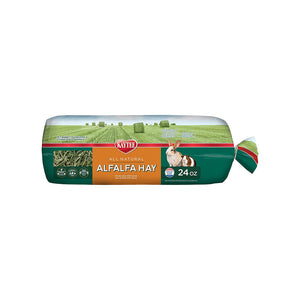
5. Alfalfa Hay
Best for: Young, growing, pregnant, or nursing animals.
Alfalfa is a legume, not a grass.
Benefits:
- High protein and calcium
- Supports growth and weight gain
Due to its richness, alfalfa hay is not recommended for adult rabbits or guinea pigs as their daily hay.
Small Animal Hay Comparison Table
| Hay Type | Best For | Fiber Level | Protein & Calcium |
| Timothy Hay | Rabbits & guinea pigs | High | Low |
| Orchard Grass | Picky eaters | High | Low |
| Meadow Hay | Variety | Medium – High | Varies |
| Oat Hay | Texture variety | Medium | Moderate |
| Alfalfa Hay | Babies & nursing pets | Low – Medium | High |
Choosing the Right Hay for Your Pet
Selecting the best small animal hay depends on your pet’s species, age, and health.
Rabbits
- Adult rabbits: Timothy or orchard grass hay
- Baby rabbits: Alfalfa hay (transition gradually)
Guinea Pigs
- Adult guinea pigs: Timothy or orchard grass hay
- Young guinea pigs: Alfalfa hay (short-term)
Chinchillas
- Timothy Hay is the main source
- Limited orchard grass for variety
Hamsters & Gerbils
- Hay as enrichment and nesting material
- Small amounts for chewing and fiber
How Much Hay Should Small Animals Eat?
A simple rule:
Hay should always be available.
Guidelines:
- Hay should make up most of their daily intake
- Replace old hay daily
- Keep hay clean and dry
Unlimited access ensures proper digestion and tooth wear.
How to Tell If Hay Is High Quality?
Not all hay is equal. High-quality hay for animals should be:
- Green or light green in color
- Fresh-smelling, not dusty or moldy
- Free from excessive stems or debris
- Soft yet fibrous
Avoid brown, brittle, or musty-smelling hay.
Proper Storage of Small Animal Hay
Proper storage keeps hay fresh and nutritious.
Best Storage Tips
- Store in a cool, dry area
- Use breathable containers
- Avoid airtight plastic bags
- Keep away from sunlight and moisture
Good storage preserves quality and prevents mold growth.
Common Mistakes When Feeding Small Animal Hay
Many owners unknowingly make feeding mistakes.
- Feeding only pellets instead of hay
- Offering dusty or old hay
- Not replacing hay daily
- Choosing the wrong hay type for the age
- Storing hay improperly
Avoiding these mistakes greatly improves pet health.
Buying Small Animal Hay Online
Buying from trusted online pet supply stores has clear advantages:
- Wide variety of hay types
- Fresh, regularly stocked inventory
- Clear labeling and feeding guidance
- Customer reviews for quality assurance
- Convenient home delivery
Reliable online pet supply stores make it easier to compare and choose the best hay for animals.
Upcoming Trends in Small Animal Hay (2026 & Beyond)
The hay market is changing alongside pet nutrition trends.
1. Organic and Chemical-Free Hay
More pet owners are choosing pesticide-free and organic hay options.
2. Compressed Hay Cubes
Space-saving hay formats are becoming popular while keeping nutrition.
3. Blended Hay Mixes
Carefully balanced hay blends offer variety without sacrificing fiber.
4. Sustainable Farming Practices
Eco-friendly hay production supports environmental health.
5. Educational Feeding Guides
Online pet supply platforms increasingly offer feeding calculators and expert resources.
These trends emphasize quality, sustainability, and convenience.
Signs Your Pet Is Not Getting Enough Hay
Watch for signs such as:
- Reduced appetite
- Overgrown teeth
- Digestive slowdowns
- Excessive pellet consumption
- Lethargy
If you notice these, check hay quality and intake right away.
Benefits of Feeding the Right Small Animal Hay
Choosing the right small animal hay gives long-term benefits:
- Better digestion
- Healthier teeth
- Fewer vet visits
- Happier, more active pets
- Longer lifespan
Hay is one of the simplest yet most effective ways to support pet health.
Conclusion
Choosing the best small animal hay is crucial for rabbits, guinea pigs, chinchillas, and other small pets. From Timothy and orchard grass to meadow and alfalfa, each hay type serves a specific purpose. Understanding these differences helps you make informed feeding choices that support digestion, dental health, and overall well-being.
With high-quality hay, proper storage, and reliable sourcing through online pet supply stores, you can create a healthy, enriching diet that keeps your small pets thriving for years to come.
FAQs
1. Do small animals eat hay?
Hay is an essential part of the daily diet for many small herbivores. If you have a smaller pet, it’s important to know what to look for and how to select the best hay for small animals. Below, we’ll explore tips on how to select the best hay for small animals like rabbits, guinea pigs, and chinchillas.
2. What are the benefits of small pet select hay?
Hay is a great source of fiber that helps maintain a good gut and promotes general digestive health for small animals. To ensure they are living their happiest and most fulfilled lives, they should always have fresh hay on hand.
3. What is the best hay for animals?
Alfalfa hay is high in protein, calcium and calories, making it great for growing, breeding, or elderly small animals. The high protein and calcium support growth and development, while the high calories support growth for young pets and maintain a healthy weight in older pets.
4. What is the most common hay?
Alfalfa hay, sometimes called lucerne hay, is the most popular legume hay fed to horses in the U.S., while timothy and orchard grass are popular grass hay choices.
5. What animal eats the most hay?
The most common animals that eat hay besides horses are chickens, cows, rabbits, sheep, and goats. Ducks and pigs also consume hay, just not as much as other farm animals. Regardless, it’s a good source of vitamins and minerals for pigs or ducks if you raise them on your farm.