

Modern industrial systems demand materials that can survive extreme heat, pressure, and continuous operation without losing performance. Whether it is a furnace lining, thermal processing chamber, or ceramic manufacturing setup, the wrong material choice can lead to equipment failure and costly downtime.
This is why industries often compare alumina tube products with components made from silicon carbide powder. Both materials are widely trusted in high-temperature environments, yet each offers different advantages depending on the application.
Why Alumina Tubes Are Widely Used
Alumina tubes are known for their excellent thermal stability and electrical insulation properties. These ceramic tubes can handle continuous exposure to high temperatures while maintaining their shape and strength.
Industries commonly use alumina tubes in:
- Furnace insulation systems
- Thermocouple protection
- Semiconductor processing
- Laboratory heating equipment
- Electrical insulation applications
Another major advantage is corrosion resistance. Alumina performs well even when exposed to chemicals and oxidizing environments, making it suitable for long-term industrial use.
Understanding Silicon Carbide Powder Components
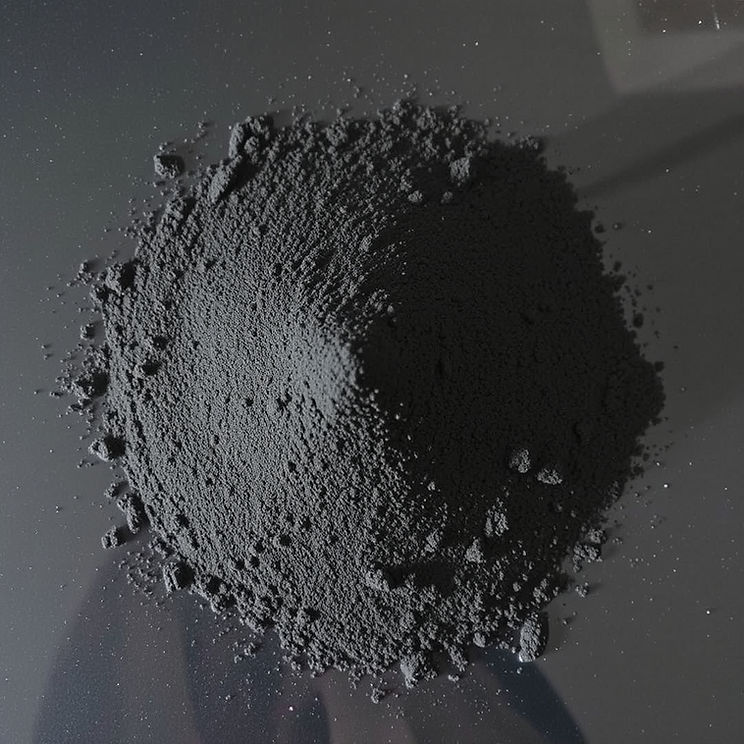
Silicon carbide powder is often processed into industrial parts designed for wear resistance and heat management. The material is extremely hard and performs well in abrasive environments.
Components produced from silicon carbide powder are commonly found in:
- Kiln furniture
- Heat exchangers
- Mechanical seals
- Abrasive systems
- High wear industrial machinery
One of its biggest strengths is thermal conductivity. Silicon carbide transfers heat more efficiently than many traditional ceramics, which is useful in systems that require rapid heat distribution.
Heat Resistance Comparison
Both materials are designed for extreme temperatures, but they behave differently under thermal stress.
Alumina Tube products are better suited for applications where insulation and temperature stability are priorities. They perform consistently during long heating cycles and provide dependable structural integrity.
Silicon carbide-based components handle sudden temperature changes more effectively. Their thermal shock resistance makes them valuable in systems with rapid heating and cooling conditions.
For stable furnace operations, alumina often becomes the preferred choice. For aggressive thermal cycling, silicon carbide usually performs better.
Mechanical Strength and Durability
Silicon carbide is generally harder and more wear-resistant than alumina. In abrasive industrial environments, this gives it a strong advantage.
For example, black silicon carbide powder is widely used in grinding and abrasive operations because of its sharp particle structure and durability.
Alumina, however, offers excellent compressive strength and maintains stability over time. It is especially useful in controlled thermal systems where electrical insulation is also required.
The decision often depends on whether the application prioritizes wear resistance or thermal insulation.
Industrial Applications That Prefer Alumina
Many industries continue to rely on alumina tube solutions because of their versatility and reliability.
These tubes are commonly selected for:
Precision Heating Systems
- Alumina helps maintain stable temperatures without electrical interference.
Electronic Manufacturing
- The material supports clean processing conditions and minimizes contamination risks.
Chemical Processing Equipment
- Its corrosion resistance allows longer service life in demanding environments.
Applications Where Silicon Carbide Excels
Silicon carbide-based components are preferred in operations involving friction, abrasion, and rapid heat transfer.
Abrasive Manufacturing
- Silicon carbide powder is widely used in grinding wheels and polishing systems.
High-Wear Machinery
- Industrial systems exposed to constant friction benefit from the material’s hardness.
Thermal Shock Environments
- Silicon carbide performs exceptionally well during rapid heating and cooling cycles.
Choosing the Right Material
There is no universal answer when comparing alumina and silicon carbide. The ideal choice depends on operating conditions, temperature exposure, wear levels, and system requirements.
If electrical insulation, corrosion resistance, and thermal stability are the main priorities, Alumina Tube products are often the better solution.
If the application involves abrasion, thermal shock, and high mechanical stress, components made from silicon carbide powder may provide greater performance.
Industrial manufacturers often use both materials together in different sections of the same system to achieve balanced efficiency and durability.
Conclusion
High-temperature industrial operations require materials that can deliver reliability under pressure. Alumina tubes and silicon carbide-based components both play critical roles across manufacturing, energy, electronics, and thermal processing industries.
Choosing the right material requires understanding the demands of the application rather than selecting based on temperature resistance alone. Companies looking for advanced ceramic and industrial material solutions can explore a wide range of options at regmetals.com.