
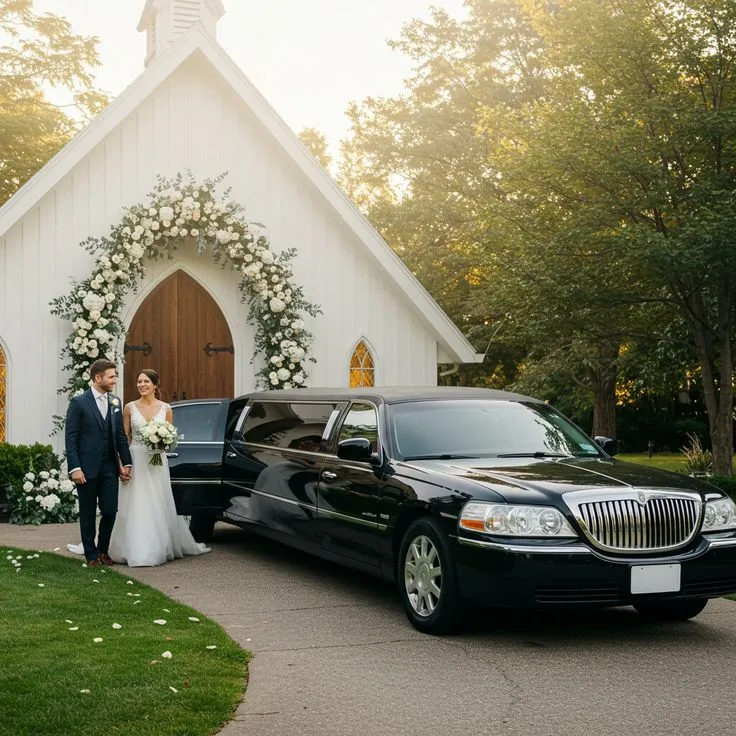
Transportation is one of those wedding details that seems purely logistical until it begins affecting the schedule. A late shuttle, difficult parking area, or unexpectedly long drive can reduce portrait time, delay the ceremony, and separate people who are meant to be photographed together. For mountain weddings, where venues may sit along winding roads or large properties, movement deserves early attention. A thoughtful transportation plan helps the day stay connected and gives photography more room to document events without constantly recovering lost time.
Map Every Important Journey
Start by listing every move that needs to happen during the day. That may include travel from a hotel to the getting-ready location, from preparations to the ceremony, or from the ceremony to a separate reception venue.
Couples working with an Asheville Wedding Photographer should share those locations before the timeline is finalized. Map estimates may not account for loading groups, walking from parking areas, or navigating unfamiliar roads. Adding realistic transition time protects the important parts of the schedule instead of assuming everyone will arrive instantly.
Avoid Too Many Separate Locations
Using several scenic spots can sound appealing, but every additional stop introduces another opportunity for delay. Vehicles must be loaded, people may arrive separately, and parking can take longer than expected.
One strong portrait location is often more useful than three rushed ones. Couples can prioritize the place that adds the most visual value and let the rest of the day happen where the celebration is already taking place. This keeps photography connected to the wedding rather than turning part of the day into a road trip.
Give the Wedding Party Clear Instructions
Transportation problems often begin when different people receive different information. Wedding-party members may assume they are driving themselves, wait for a shuttle that has already left, or head to the wrong entrance.
Send one clear schedule in advance with pickup points, departure times, addresses, and responsibility for each vehicle. If portraits are planned immediately after arrival, everyone involved should know they are expected to stay together. Clear instructions reduce the time spent locating people once photography is meant to begin.
Consider Guests Who Do Not Know the Area
Mountain roads and rural venues can be unfamiliar to guests arriving from outside Western North Carolina. Limited parking, narrow entrances, or weak mobile reception may make navigation harder than expected.
Couples planning Weaverville Wedding Photography can help by providing simple directions before the wedding and confirming whether the venue recommends shuttles or designated parking areas. When arrival is straightforward, guests are more likely to be seated on time and the ceremony can begin without unnecessary disruption.
Build a Buffer Around the Ceremony
The ceremony start time deserves extra protection because delays affect everyone at once. If the couple, wedding party, officiant, or close family members are traveling immediately beforehand, allow more time than the ideal drive requires.
Arriving early is easier to manage than arriving late. Extra minutes can be used for final preparations, quiet moments, or photographs near the ceremony space. A tight transportation schedule leaves no room for traffic, weather, forgotten items, or a vehicle taking longer to load.
Choose Vehicles With Clothing in Mind
Formal clothing can change what kind of transportation works comfortably. Large dresses, long trains, veils, or tailored outfits may be difficult to manage in small vehicles. The same issue applies when several wedding-party members travel together.
Check that there is enough room to sit comfortably without crushing clothing or removing important accessories. Vehicles should also be easy to enter and exit, particularly when the destination involves gravel, slopes, or uneven ground.
Plan the Final Departure Too
Transportation planning should not end once the reception begins. Decide in advance how the couple, important family members, and belongings will leave at the end of the evening.
If there is a formal exit, the vehicle should be ready before guests gather. If the couple is leaving quietly, someone should know where personal items, gifts, and overnight bags are stored. A clear departure plan helps the final part of the wedding feel intentional rather than becoming a last-minute search for keys and luggage.
Conclusion
Wedding transportation may not be the most visible part of the celebration, but it influences how smoothly every major event connects. Realistic drive times, fewer unnecessary location changes, clear instructions, accessible vehicles, and well-planned guest arrivals can prevent small delays from becoming larger schedule problems. For photography, that means less time is spent waiting for people or recovering from late transitions and more time can remain focused on the wedding itself. A strong transportation plan supports the entire day by keeping people, places, and important moments connected from beginning to end.