

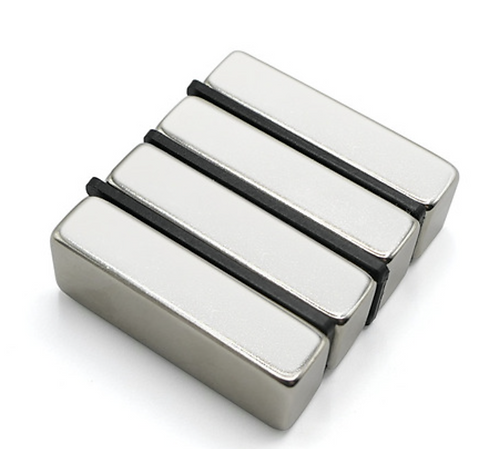
Motors, sensors, actuators, lifting systems, generators, magnetic couplings and other industrial applications use permanent magnets. To a large extent, however, the material they are made from is the key to their performance. It is important to consider the magnet in relation to temperature, corrosion, size, mechanical conditions and demands of operation in addition to strength, or else a wrong choice might result in an inappropriate solution. The selection of a material should be practical and take into account the performance of the material during the life of the magnet.
Define the Required Magnetic Performance
The first thing to do is to know what the magnet has to do. Magnetic strength, field stability, coercivity, and energy density are all different for various applications.
The magnet for a compact motor may have different specifications to the one for material handling or positioning. The available space may play a role in the magnetic performance needed.
Businesses planning to Shop Permanent Magnet Materials should therefore begin with the actual functional requirements rather than choosing a material simply because it has a high magnetic rating.
Compare Common Magnet Material Options
There are several families of materials that are used to make permanent magnets, and they have different properties. Neodymium magnets are characterized by their high magnetic energy content in relatively small volumes, and samarium cobalt can have useful properties in high-temperature applications.
Alnico materials have various combinations of temperature performance and magnetic properties. Cost, corrosion resistance and moderate magnetic performance are other important factors for the use of ferrite magnets.
There is no material that is always the best; it is all about the requirements of the application.
Consider Operating Temperature
Permanent magnet performance can be greatly affected by temperature. There are limits to what each material will do, and it may lose magnetic properties or may not be as suitable as it was previously once it is taken past that limit.
The normal operating temperature and any temporary peaks in temperature should both be identified by engineers.
This is especially critical for motors, generators, industrial equipment and machinery near heat sources. Choosing the right material that can withstand the required temperature can ensure better operation stability.
Evaluate Corrosion Resistance
The environment can also be a factor in the choice of materials. There can be corrosion issues depending on the protection provided to the magnet and its surrounding environment due to moisture, chemicals, salt exposure and other environmental factors.
Some magnets are coated or treated for protection; these should be looked upon as part of the overall design.
When choosing a permanent magnet, engineers need to take into account the magnetic material, as well as the conditions under which the finished product will be used.
Consider Size and Weight Limitations
In special equipment, space is sometimes a factor that determines the choice of magnets. If a magnetic material has a higher magnetic energy density, then the required performance may be obtained with a smaller component.
This can be beneficial when equipment designers want to decrease overall size or weight.
But smaller sizes could also be accompanied by other mechanical or handling implications. The magnet must be able to fit easily into the assembly it has to be used in and operate within.
Please consider mechanical requirements.
The mechanical properties of magnetic materials may vary. Certain magnets are somewhat fragile and may need to be protected from impact, undue stress, or improper mounting.
Installation should, therefore, be taken into account when selecting materials.
Depending on the application, housings, sleeves, adhesives, mechanical retention systems or other protective measures could be appropriate. Magnets with good magnetic performance must also withstand their physical operating environment.
Consider Long-Term Stability
Industrial equipment can run for thousands of hours or repeatedly when it is in use. Magnetic stability may then be a significant purchase consideration.
Engineers must check if the chosen material can achieve the desired performance under the anticipated temperature, mechanical and environmental conditions.
Consistency can also be important when it comes to production equipment. Magnetic properties of components can be more predictable during assembly and system calibration if they have similar magnetic properties.
Match the Material to the Project Budget
Price must weigh in right next to tech traits. A top magnet adds zero real worth if a cheap choice fills your actual job needs just fine.
For businesses considering Bulk Neodymium Magnets, the total purchasing cost should also be compared with expected usage, storage needs and long-term demand.
At the same time, choosing solely on initial purchase price can overlook service life, maintenance, replacement and performance considerations.
A better approach is to compare materials according to the complete requirements of the application and the expected operating life.
Plan for Supply Requirements
Availability and future sourcing should also be taken into consideration when selecting materials. If a project calls for the use of large quantities or replacement parts that must be repeated, it is important for businesses to ask if the material they select can be supplied in a reliable manner.
Specifications help to make future purchases easier and less likely to get the wrong product.
If the material has special application needs, it is advisable to communicate with the knowledgeable supplier prior to the final material selection to determine practical options.
Conclusion
There are more factors to consider when selecting a permanent magnet material than magnetic strength. All of these factors can impact the final choice, such as temperature, corrosion exposure, dimensions, mechanical conditions, long-term stability, cost and supply requirements. The engineer should consider these all in combination and choose the material that will give an appropriate balance for the overall application. For companies looking for magnetic materials for specific applications, they can visit regmetals.com to see the magnetic materials that are currently available and also discuss their project-specific needs. The careful choice of material can help ensure reliable magnetic performance and more practical equipment design.