
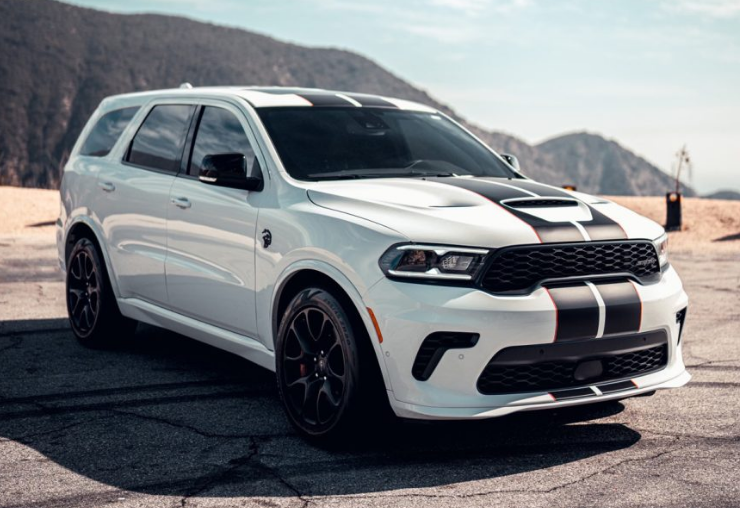
There’s something undeniably exciting about getting a new car—whether it’s brand new or simply new-to-you. The glossy paint, the thrill of the drive, the scent of a clean cabin—it all feeds into that giddy moment of ownership. But under all that shine and polish, there’s something just as important: the story that car brings with it. And you’d be surprised how many people forget to check it.
Let’s face it: not all cars wear their history on their sleeves. Just because a vehicle looks like a good deal doesn’t mean it hasn’t been through more than its fair share of drama. That’s where a car check becomes your secret weapon—quiet, quick, and full of answers that could save you from making a huge mistake.
More Than Just Mileage: What’s a Car Check Really?
We’re not talking about kicking tires or revving the engine. A proper car check, done through trusted platforms, is like an X-ray into the life of a vehicle. It can tell you whether the car’s been written off after an accident, if it’s been stolen and resold, if there are outstanding loans on it, or if it’s clocked suspiciously low mileage because someone got creative with the odometer.
Think about that for a second. Would you date someone without knowing anything about their past? Exactly. Same goes for buying a car. A car check gives you insight—cold, hard, factual—and helps you make a confident decision. It’s less of a hassle than you’d expect and could save you thousands in the long run.
Plate Talk: More Than Just Letters and Numbers
It’s funny how often people overlook something as visible as number plates. Those alphanumeric combos aren’t just randomly slapped on by manufacturers—they actually hold a lot of useful info. In places like the UK or Australia, they can help you identify where the car was registered and even roughly how old it is.
Beyond that, the plates are key to running checks. Enter the plate into a database, and voila—you get everything from MOT history to insurance write-offs to emissions info. That string of characters tells a fuller story than the seller probably wants you to know.
And here’s something else: dodgy sellers sometimes swap plates between vehicles to hide sketchy histories. If the car’s story and its plate don’t match, that’s a serious red flag. You wouldn’t wear someone else’s ID badge to work, right? Same idea here.
The Rise of Quick Car Check Apps and Sites
Gone are the days when you’d need to fill out forms or wait days for a report. These days, there are mobile apps and websites that let you run a check in under two minutes—right there on your phone while standing next to the car. Many services even offer a basic check for free, with the option to go deeper (like checking for theft or financial liens) for a small fee.
That’s the beauty of tech. You don’t have to guess or go in blind. Buying from a private seller? No worries. Pull out your phone, type in the plate, and find out if they’re being honest or not. It’s like carrying your own personal detective in your pocket.
Private Sellers vs Dealers: Who Can You Trust?
Let’s be honest—some dealers have slick suits and slicker sales tactics. But that doesn’t mean all private sellers are saints either. Whether you’re buying from a friend of a friend or a well-lit showroom, it’s always smart to do your own digging.
A car check levels the playing field. It removes the charm and the pitch from the equation. Suddenly, it’s not about who talks smoother—it’s about what the report says. If you’re serious about getting a fair deal, don’t skip this step.
Real Life, Real Regrets
A friend of mine (let’s call him Jay) once bought a used car for what seemed like a steal. Low mileage, clean leather interior, and no warning lights on the dash. He skipped the check because the seller “seemed trustworthy.” Fast-forward a month: engine issues, rust under the frame, and turns out the odometer had been rolled back. A proper check would’ve exposed all of that. But by then, Jay was out of luck—and out a few grand.
Moral of the story? Trust, but verify.
Why Skipping It Just Isn’t Worth It
Some people skip the car check thinking it’s unnecessary or too technical. But in reality, it’s simpler than ordering food online—and way more important. You’re making a purchase worth thousands. Why wouldn’t you take two minutes to get the full story?
You don’t need to be a mechanic or a car nerd. All you need is the registration number and a few clicks. The peace of mind alone is worth it.
Quick Tips Before You Say Yes to the Keys
- Always run a car check before committing—even if the car looks perfect on the outside.
- Use a trusted site or app. Check reviews. Some even offer guarantees or fraud protection.
- Double-check that the number plates match the car’s official details (chassis number, make, model).
- If anything doesn’t add up—walk away. There are always more cars, but not more chances to undo a bad deal.
Wrapping It Up
In a world where appearances can be deceiving, knowledge is your greatest armor. Doing a simple car check and understanding the value hidden behind number plates can make or break your next car purchase. It’s not paranoia—it’s smart shopping.
Think of it this way: buying a car without a check is like marrying someone you met 30 minutes ago in Vegas. Sure, it could work out… but wouldn’t you sleep better knowing what you’re really getting into?
Take the time. Run the check. Read the plates. Your future self will thank you.
