
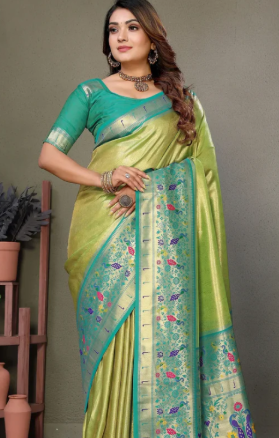
Indian fashion is renowned for its rich heritage, intricate designs, and vibrant colours, which have captivated admirers around the world. Among the most iconic outfits are the Banarasi saree and Salwar Kameez, each offering a distinct charm. The Banarasi saree is celebrated for its luxurious silk fabric, exquisite zari work, and timeless patterns, making it a preferred choice for weddings and festive occasions. The Salwar Kameez, on the other hand, combines comfort and style with flowing fabrics, elaborate embroidery, and versatile designs suitable for both casual and formal events. This article delves into the unique appeal of the Banarasi saree and Salwar Kameez, exploring their craftsmanship, styling options, and cultural significance.
The Craftsmanship of Banarasi Saree
Banarasi sarees are known for their intricate weaving techniques that have been perfected over centuries in Varanasi. These sarees often feature motifs inspired by Mughal art, including floral patterns, paisleys, and intricate geometrical designs. The weaving involves pure silk threads intertwined with gold and silver zari, producing a fabric that is not only visually stunning but also exceptionally durable.
- Rich zari work highlighting heritage patterns
- Lightweight silk suitable for elaborate draping
- Long-lasting elegance, ideal for heirloom pieces
The Banarasi saree is more than just attire; it represents a deep connection to Indian culture and artisanal excellence.
Versatility of Salwar Kameez
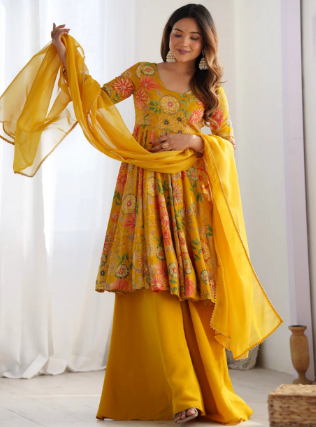
Salwar Kameez has remained a staple in Indian wardrobes due to its adaptability and comfort. Available in a range of fabrics such as cotton, georgette, silk, and chiffon, it can be tailored for various occasions. Modern designs incorporate stylish necklines, embroidery, and patterns while maintaining traditional roots.
- Perfect for casual wear or festive celebrations
- Wide variety of colours and embellishments
- Easy maintenance and practical styling options
The combination of aesthetic appeal and functional design ensures that Salwar Kameez remains a preferred choice for women across different age groups.
Styling Options with Banarasi Saree
The Banarasi saree offers limitless styling possibilities that accentuate elegance and grace. Pairing it with statement jewellery, intricate blouses, and complementary footwear enhances its opulent appearance. It can be worn in traditional drapes or contemporary styles, making it versatile for different events. Additionally, the choice of colour and pattern allows for personalisation and seasonal relevance, further enhancing its timeless charm.
Modern Adaptations of Salwar Kameez
Contemporary Salwar Kameez designs combine traditional elements with modern aesthetics, offering a fresh take on classic attire. Designers experiment with asymmetrical cuts, layered styles, and fusion fabrics to cater to urban sensibilities while preserving cultural heritage. Embellishments like sequins, beads, and threadwork elevate its appeal, ensuring that it remains both trendy and culturally resonant.
Occasions and Cultural Significance
Both the Banarasi saree and the Salwar Kameez hold significant cultural value in Indian celebrations. Banarasi sarees are synonymous with weddings, festivals, and formal gatherings, symbolizing prosperity and grace. Salwar Kameez serves as everyday wear and festive attire, reflecting versatility and comfort while embracing traditional aesthetics. Their enduring popularity stems from the ability to combine style, tradition, and cultural identity seamlessly.
Conclusion
The Banarasi saree and Salwar Kameez continue to define elegance and style in Indian fashion. Each piece, whether intricately woven silk or carefully embroidered fabric, represents artistry, tradition, and timeless charm. Their enduring appeal ensures that they remain indispensable components of a refined wardrobe, bridging the gap between heritage and modern fashion. Embracing the allure of these garments celebrates not just fashion but centuries of craftsmanship and cultural pride.
