
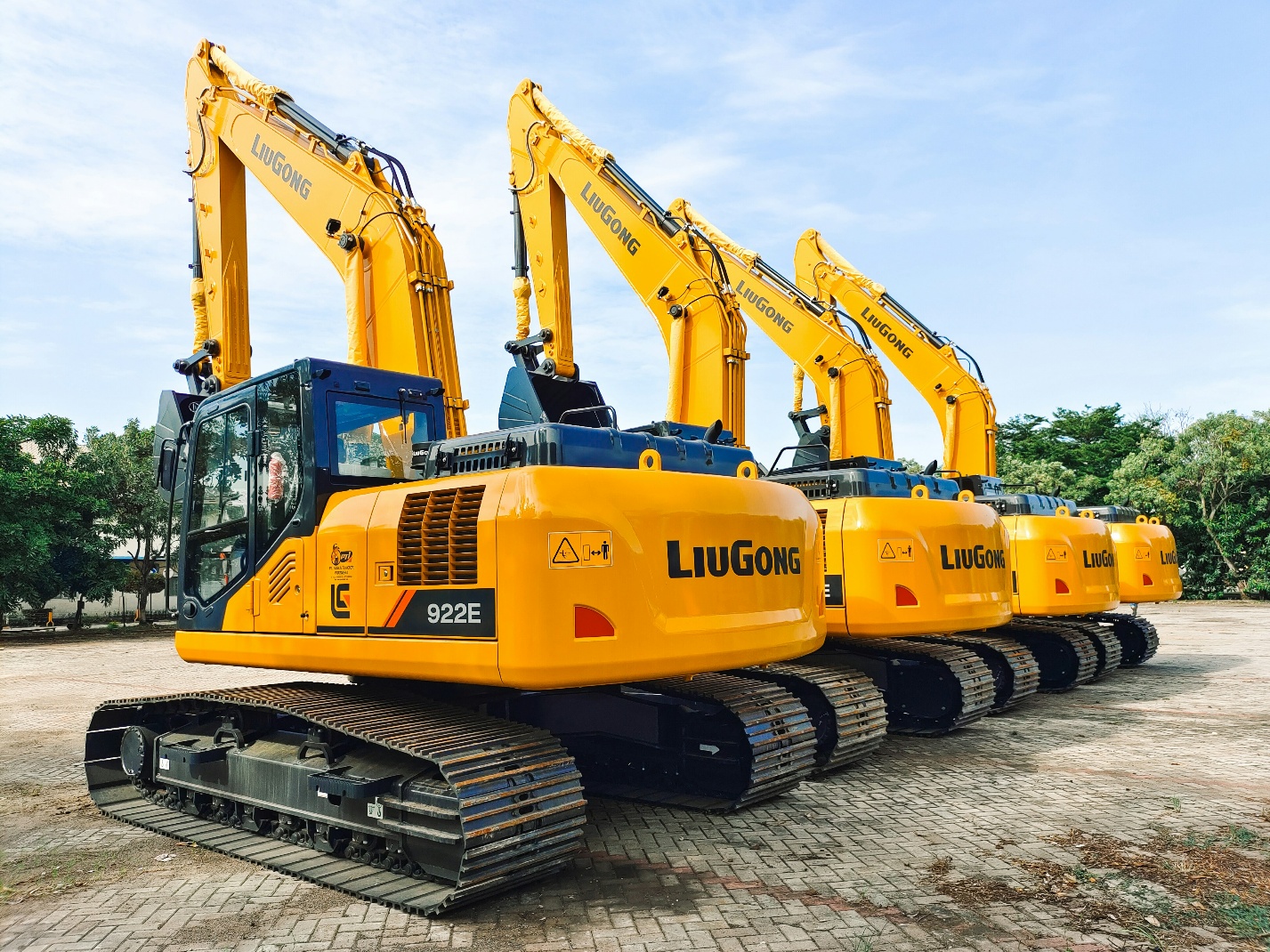
Excavations are a daunting task. However, thanks to heavy equipment, you can accomplish in hours tasks that were once measured in weeks by hand. Heavy equipment can dig trenches, move mountains of dirt, and get numerous projects done much quicker than before.
It is very exciting for little learners and hobbyists to see how these machines work. Watching a caterpillar machine work is an amazing display of the brute force of modern engineering and technology, at amazing speed. It shows how far the construction industry has come with technologies focused on speed and accuracy.
Excavators and How They Work
Excavators are probably the second most recognizable piece of equipment by people involved in excavation contracting services, next to bulldozers. Recognizable features of excavators include a long arm and bucket comprised of a hydraulic assembly that allows the operator to dig deep foundations, move heavy materials, and break into solid rock with ease.
The cab of an excavator has the ability to rotate a complete 360 degrees, giving the operator extreme flexibility and range of motion. U.S. Department of Transportation (check this site for more) notes that excavators are critical in road and bridge construction for their ability to perform multiple roles.
Excavators are versatile and useful in almost every excavation project that is undertaken. Without excavators and their operators, crews would be hard-pressed to properly complete the majority of large-scale digging jobs. They can be equipped with many attachments, which allow excavators to often dig, hammer and bore holes, depending on what is attached.
Bulldozers Explained
When you hear excavation and construction, bulldozers immediately come to mind. Bulldozers are the power and muscle behind all excavation and construction tasks. These machines have a large, steel blade in front of the machine that can push huge mounds of dirt, rock and even broken pavement.
They are utilized for many types of projects, including roadwork and land-clearing work, in which flat and level surfaces need to be accomplished. Bulldozers prepare the area for the asphalt paving crew, moving all available debris and shaping the land.
Follow
The levered tracks on bulldozers provide stability on rough or muddy ground, allowing them to access anywhere where trucks and smaller machines may not be able to go. They are also useful for slope grading, instructing a site to be clear and safely ready for development.
- Flatten out uneven ground
- Clear large areas of soil and rubble
- Assist to carve down unstable slopes
- Prepare a site for any road, parking lot, and building foundation
Without bulldozers, many construction zones would remain rough and uneven, preventing forward progress. They typically operate alongside graders to ensure that the land is not only flat but also gradually sloped, allowing for natural drainage.
Loaders and Dump Trucks
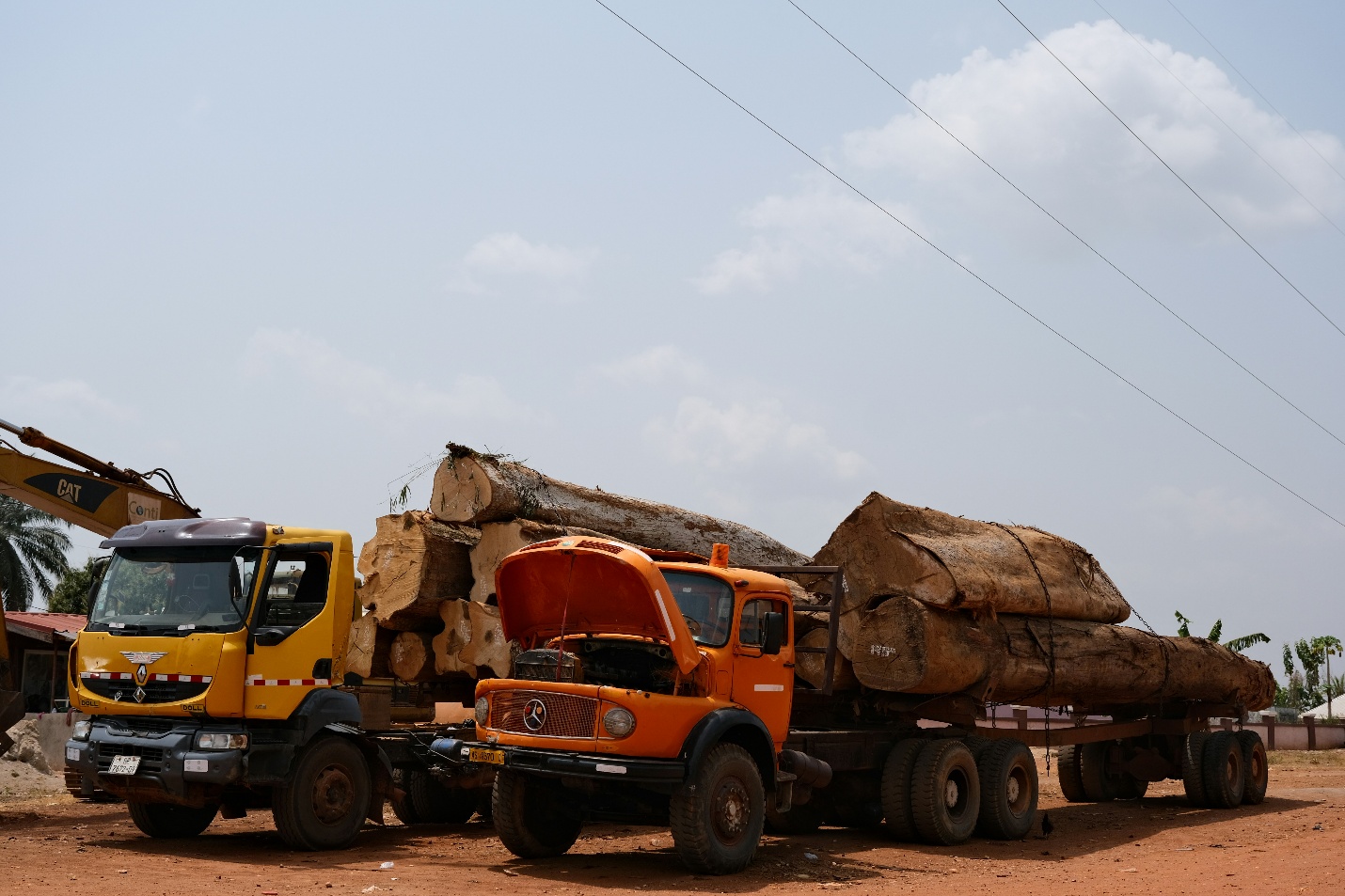
Loaders and dump trucks work together as partners at an excavation site. Loaders scoop up whatever is being excavated, be it soil, sand, or gravel; they transfer that material into dump trucks, which are sent back and forth as needed.
This paired operation provides a high level of efficiency to excavation service Vacaville-based projects because the waste material can be taken away quickly while new areas are underway to be built upon.
This combination of machines is especially important in road construction. Asphalt paving contractors rely on their loaders and dump trucks to bring in new material as quickly as they can, or to take away old surfaces as fast as they are installing new sections of paving.
Without loaders and dump trucks, many projects would take much longer because workers would rely on smaller, lesser efficient measures. They are the normal course of material transfer. They move tons of soil and rock in minutes. For the hobbyist, the loader’s bucket filling and the truck carrying it away is like a giant on-cue dance.
Trenchers in Action
Trenchers may not have the same notoriety as other heavy machines like excavators and bulldozers, but they have a distinctive role to play. Trenchers are designed to create deep and narrow trenches in the ground that will be utilized for pipelines, utility cables and drainage systems.
They quickly slice through soil and create an accurate tunnel, something that would take manual digging days to accomplish. Trenchers can also be seen on a road work site, generally laying the underground infrastructure for utilities before the street is paved.
Visit https://www.osha.gov/trenching-excavation to know more about safety standards for trenching.
Their sharp blades and conveyor systems slice through the soil, removing it swiftly and placing it on the side cleanly, keeping the working area free of debris. Watching a trencher at work for a hobbyist is like a giant saw carving through the earth.
Trenchers come in many formats, including walk-behind, for the small job, or massive ride-on trenchers for industrial work.
Safety Around Heavy Machines
While watching these machines in motion is exhilarating, safety comes first with these machines. Excavation sites are filled with moving vehicles, heavy materials and deep depressions. Workers are always required to wear protective clothing, follow signals, and stay out of the blind spots.
There are several important behaviors that can keep workers safe around the machines, including:
- Wearing helmets, gloves and high-visibility clothing
- Keeping a safe distance from machines which are operating
- Using spotters to guide operators in narrow space
- Carrying out machinery checks and regular maintenance
By recognizing the power of heavy machinery, workers as well as bystanders can stay safe while witnessing the spectacle of excavation in motion. Safety rules are not tips; they are foundational to every successful job. Many firms guarantee to provide regular training sessions, so workers remain cognizant and aware of the best practices for working around heavy machinery.
Conclusion
Heavy equipment is the lifeblood of excavation. Excavators, bulldozers, loaders, dump trucks and trenchers all share a responsibility to create the lay and prepare it for asphalt paving, foundations and road surface.
Rarely are these machines seen in use as they work behind the polite of workers on foot. For children and hobbyists, it is not just the experience of these machines that is exciting, it is the ability to appreciate the sheer engineering power that is used to perform heavy construction in today’s environment.
These machines do not just move dirt. Rather, they are creating the soil for cities, communities and roads. Without heavy equipment excavation would be slow, dangerous, and relatively inefficient.
