
In an era where urban noise pollution is an unavoidable part of modern life, finding effective solutions to create quiet, peaceful environments has become increasingly important. Whether it’s the hum of traffic, the noise from nearby construction, or even the chatter in a bustling office, excessive noise can take a toll on our health, productivity, and overall well-being. One of the most innovative and effective solutions to combat noise pollution is acoustic glass. This advanced glazing technology is specifically designed to reduce sound transmission, offering a simple yet powerful solution for noise control in various settings.
In this article, we’ll explore the benefits of acoustic glass for noise reduction and why it’s quickly becoming the go-to choice for creating quieter, more comfortable spaces in homes, workplaces, and public buildings.
What is Acoustic Glass?
Acoustic glass is a specially designed type of glazing that reduces the transmission of sound through windows and walls. It is typically used in places where noise reduction is crucial, such as homes near busy streets, offices, hotels, hospitals, schools, and any other environments that require a quieter atmosphere. Acoustic glass is engineered with layers of glass and sound-absorbing materials to create a barrier that prevents sound waves from passing through.
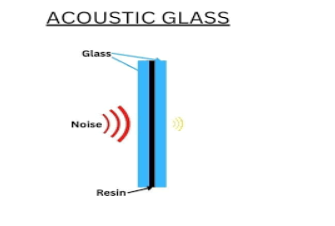
The most common form of acoustic glass is laminated acoustic glass, which consists of two or more layers of glass with a layer of polyvinyl butyral (PVB) or another sound-dampening material in between. This structure helps to absorb and dissipate sound waves, making it highly effective at reducing noise transmission.
How Acoustic Glass Works
The primary principle behind acoustic glass is the reduction of sound vibrations. Sound waves travel through air in the form of vibrations, and when these waves hit a surface, such as a window, they can be transmitted through the material to the other side. Regular glass, while sturdy and transparent, is not particularly effective at blocking sound.
Acoustic glass, on the other hand, works by disrupting the sound waves. The laminated layers act as a sound barrier, and the materials used within the glass are chosen specifically for their ability to absorb vibrations. Here’s how it works in detail:
- Multiple Glass Layers: Acoustic glass often consists of two or more layers of glass, separated by a sound-absorbing layer. The different thicknesses of the glass and the type of materials used in between help to reduce the frequency and intensity of sound waves that pass through.
- Sound-Absorbing Materials: The PVB layer or other specialized materials used in laminated glass are designed to absorb sound waves. The material dampens vibrations, preventing them from passing through the window to the interior of the space.
- Air Gaps: The air gap between the glass layers also plays a crucial role in soundproofing. The larger the air gap, the better the glass is at reducing noise transmission, as the space acts as a cushion for sound waves.
- Irregularities in Structure: The construction of acoustic glass is often designed with uneven thickness across the glass panes, which disrupts sound waves and further prevents them from passing through. This is particularly effective against low-frequency sounds (such as the rumble of traffic) that are harder to block.
Benefits of Acoustic Glass for Noise Reduction
The use of acoustic glass offers numerous benefits, especially for individuals and businesses looking to create quieter environments. Here are some of the key advantages:
- Significant Noise Reduction
Acoustic glass is primarily used for its ability to significantly reduce noise. It can block a wide range of sounds, from high-pitched noises (like voices and music) to low-frequency noises (like traffic, airplanes, and construction). Depending on the type and thickness of the acoustic glass, it can reduce sound transmission by up to 50% or more, making a substantial difference in noise levels.
For example, in areas with heavy road traffic or near airports, acoustic glass can help keep the sounds of passing vehicles or airplanes from disturbing the tranquility inside your home or office. - Improved Privacy
Acoustic glass not only prevents unwanted external noise from entering a space but also helps to improve privacy by stopping noise from traveling outside. For businesses, this can be especially important. In an office setting, for instance, employees working in open spaces can benefit from the sound isolation that acoustic glass provides, preventing sensitive conversations from being overheard by others. - Enhanced Comfort and Well-Being
Noise pollution has been linked to a variety of health issues, including stress, sleep disruption, hearing loss, and even cardiovascular problems. By reducing external noise, acoustic glass contributes to a more comfortable and healthier living environment.
Whether it’s helping residents get better sleep by blocking out the noise from a busy street or creating a quieter workspace for improved focus, acoustic glass improves the overall quality of life. - Energy Efficiency
Acoustic glass can also contribute to energy efficiency in buildings. Like other types of double or triple glazing, acoustic glass has insulating properties that help to retain heat during winter and keep interiors cooler during the summer. By preventing drafts and minimizing the need for heating or cooling, it helps reduce energy consumption, which can lead to cost savings on energy bills. - Aesthetic Appeal
One of the greatest advantages of acoustic glass is that it doesn’t compromise on the aesthetics of a building. Unlike traditional soundproofing methods, which may require heavy materials or bulky installations, acoustic glass can be integrated seamlessly into the design of a space. It offers the same clear visibility and natural light that regular glass provides but with the added benefit of noise reduction.
Additionally, acoustic glass comes in a variety of styles and can be customized to suit the architectural needs of a building, ensuring that it doesn’t detract from the appearance of the space. - Increased Property Value
In areas with high noise pollution, such as busy city centers or near transportation hubs, the installation of acoustic glass can be a valuable investment. Not only does it improve the quality of life for occupants, but it can also increase the resale value of a property. Homes and offices with high-quality soundproofing are highly sought after, and acoustic glass can make a significant difference in how potential buyers or tenants view the property. - Durability and Long-Term Performance
Acoustic glass is built to be durable and long-lasting. The layers of glass and the soundproofing materials are designed to withstand wear and tear over time, ensuring that the windows continue to perform effectively for years. Unlike other soundproofing methods that may degrade or require maintenance, acoustic glass is a low-maintenance solution for noise reduction.
Applications of Acoustic Glass
Acoustic glass is versatile and can be used in a variety of settings. Here are some common applications:
- Residential Homes
For homeowners living in noisy environments, acoustic glass provides a practical solution for achieving a peaceful home. It is especially beneficial for homes located near highways, airports, or train stations, where the constant noise from traffic and transportation can be disruptive. - Office Buildings and Workspaces
In office settings, especially those in open-plan layouts, acoustic glass can help reduce noise distractions, creating a more productive and focused working environment. It is also used in conference rooms, meeting areas, and executive offices to ensure privacy and reduce the noise bleed between rooms. - Hotels and Hospitality Industry
Hotels, especially those located in busy areas, can use acoustic glass to create a more quiet and comfortable environment for guests. By reducing noise from the outside, guests can enjoy a better night’s sleep, which can contribute to higher satisfaction and positive reviews. - Educational Institutions
In schools, universities, and libraries, acoustic glass helps to create quiet study areas by reducing external noise and minimizing the noise disruption between classrooms. This is crucial for maintaining an environment conducive to learning. - Healthcare Facilities
Acoustic glass is often used in hospitals, clinics, and medical offices to ensure that patient privacy is maintained and that noise from external sources (such as ambulances or traffic) does not interfere with the healing process.
Conclusion
Acoustic glass is revolutionizing the way we approach noise reduction in buildings. With its ability to effectively block out unwanted sound, improve privacy, enhance comfort, and increase property value, acoustic glass offers a modern solution for combating noise pollution. Whether it’s for a residential home, an office, or a public building, acoustic glass provides a range of benefits that make it a wise investment for anyone looking to create a quieter, more peaceful environment. As our cities become busier and noise pollution continues to rise, acoustic glass is undoubtedly an innovation that will continue to shape the way we live and work.
