
The Everest Base Camp Trek is one of the most iconic trekking adventures in the world, attracting explorers, nature lovers, and thrill-seekers from every corner of the globe. Commonly referred to as the Trek to Everest Base Camp, this remarkable journey offers an unforgettable experience through the majestic landscapes of Nepal’s Khumbu region. Combining breathtaking mountain scenery with deep cultural immersion, it stands as a truly life-changing expedition.
Introduction to the Trek
The Everest Base Camp Trek takes adventurers to the base of Mount Everest, the highest peak on Earth, at an elevation of 5,364 meters. While summiting Everest requires technical climbing skills, reaching base camp is achievable for trekkers with determination, preparation, and a reasonable level of fitness.
The journey typically begins with a scenic flight to Lukla, a small mountain town that serves as the gateway to the Everest region. From there, the trail winds through charming villages, suspension bridges, and forested paths, gradually ascending into the high Himalayas.
Spectacular Natural Landscapes
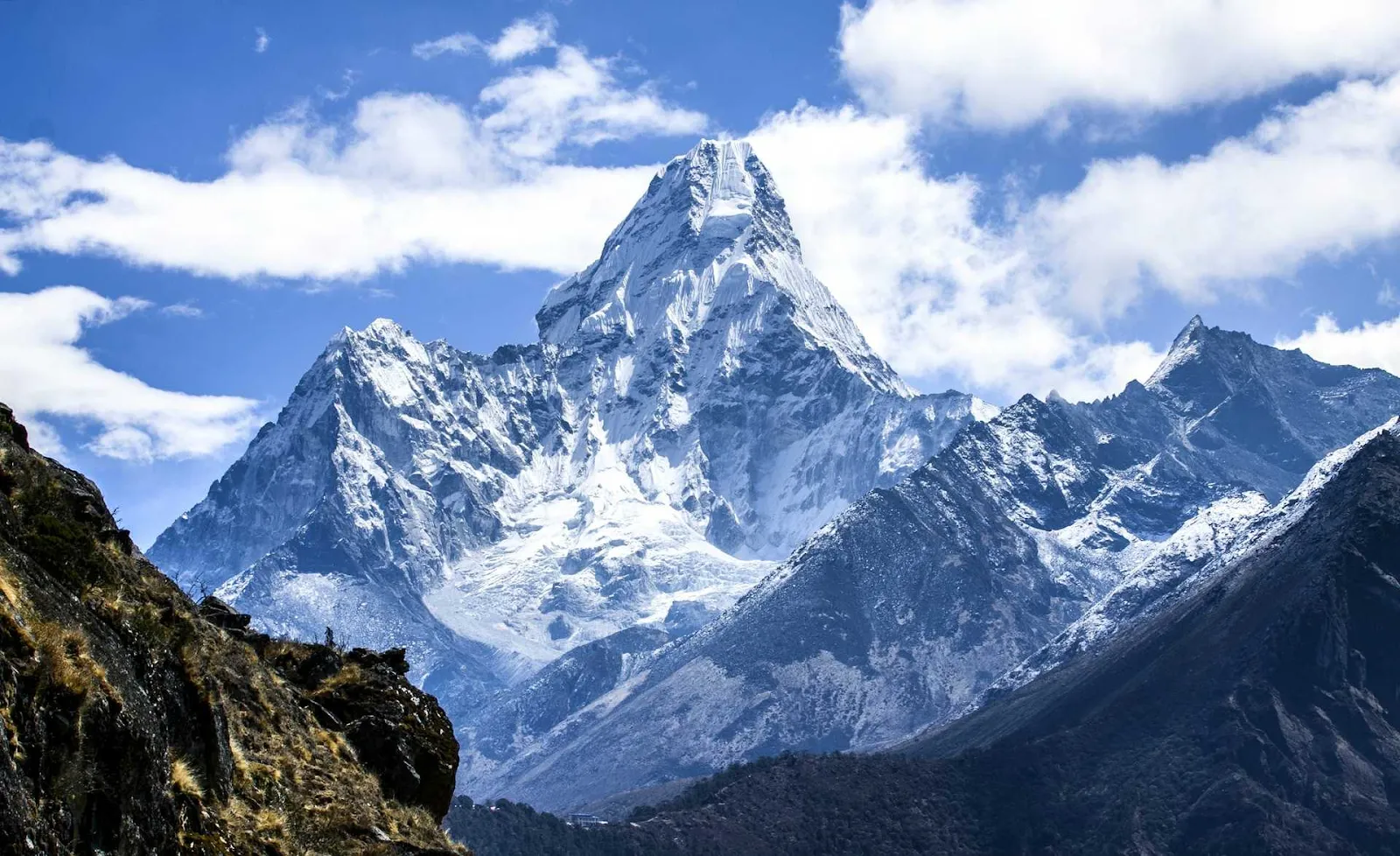
One of the main highlights of the Everest Base Camp Trek is its extraordinary natural beauty. The route offers stunning views of towering peaks such as Everest, Lhotse, Nuptse, and Ama Dablam. These snow-covered giants dominate the skyline and provide a dramatic backdrop throughout the trek.
As trekkers move higher, the terrain changes significantly. Lush green forests filled with rhododendrons and pine trees transition into rugged alpine landscapes and glacial valleys. The sight of the Khumbu Glacier, with its massive ice formations and crevasses, is both awe-inspiring and humbling.
Another unforgettable moment of the Trek to Everest Base Camp is witnessing the sunrise from Kala Patthar. This viewpoint offers one of the best panoramic views of Mount Everest, where the golden light illuminating the peak creates a truly magical experience.
Cultural Richness and Local Life
The Everest region is not only famous for its mountains but also for its rich cultural heritage. The area is home to the Sherpa community, known worldwide for their mountaineering expertise and warm hospitality.
During the trek, visitors pass through traditional villages such as Namche Bazaar and Tengboche. These settlements provide an opportunity to experience local customs, taste traditional food, and learn about the Sherpa way of life.
Buddhist culture is deeply rooted in the region, and trekkers will encounter monasteries, prayer flags, and chortens along the trail. Tengboche Monastery, one of the most important spiritual centers in the area, offers a peaceful environment and a glimpse into the region’s religious practices.
Physical Challenge and Preparation
The Trek to Everest Base Camp is considered moderately challenging. Trekkers walk for several hours each day, often on steep and uneven terrain. The high altitude adds another level of difficulty, as oxygen levels decrease significantly with elevation.
Acclimatization is essential to ensure safety and comfort during the trek. Most itineraries include rest days at key locations, allowing the body to adjust gradually to the altitude and reducing the risk of altitude sickness.
Preparation plays a vital role in completing the trek successfully. Engaging in regular exercise, including cardio and strength training, can greatly improve endurance. Proper gear, such as sturdy boots, warm clothing, and trekking poles, is also crucial for a comfortable journey.
Best Time to Visit
The best seasons for the Everest Base Camp Trek are spring (March to May) and autumn (September to November). These periods offer stable weather conditions, clear skies, and excellent visibility of the mountains.
Spring is particularly beautiful due to blooming rhododendron forests, while autumn provides crisp air and stunning panoramic views. Winter treks are possible but involve extremely cold temperatures, while the monsoon season brings heavy rain and challenging trail conditions.
Accommodation and Food
Accommodation during the Everest Base Camp Trek is primarily in tea houses, which are simple lodges run by local families. These provide basic facilities, including beds, meals, and communal areas for relaxation.
The food available on the trek is nourishing and designed to provide energy for long days of walking. Dal bhat, a traditional meal consisting of rice and lentils, is a popular choice among trekkers. Other options include noodles, soups, and light Western dishes.
Although facilities become more basic at higher altitudes, the hospitality of the local people ensures a welcoming and comfortable stay.
Responsible Trekking
As the popularity of the Everest Base Camp Trek continues to grow, responsible tourism has become increasingly important. Trekkers are encouraged to minimize their environmental impact by reducing waste, avoiding plastic bottles, and respecting local traditions.
Supporting local businesses and following eco-friendly practices helps preserve the natural beauty and cultural heritage of the region for future generations.
Conclusion
The Everest Base Camp Trek, also known as the Trek to Everest Base Camp, is more than just a trekking adventure—it is a journey of discovery, resilience, and inspiration. From the breathtaking Himalayan landscapes to the rich cultural experiences, every aspect of the trek offers something unique and memorable.
Reaching Everest Base Camp is a remarkable achievement that brings a deep sense of accomplishment. It is not merely about standing at the foot of the world’s highest mountain, but about embracing the journey, overcoming challenges, and connecting with nature in its purest form. For anyone seeking adventure and personal growth, this trek remains one of the most rewarding experiences on Earth.