

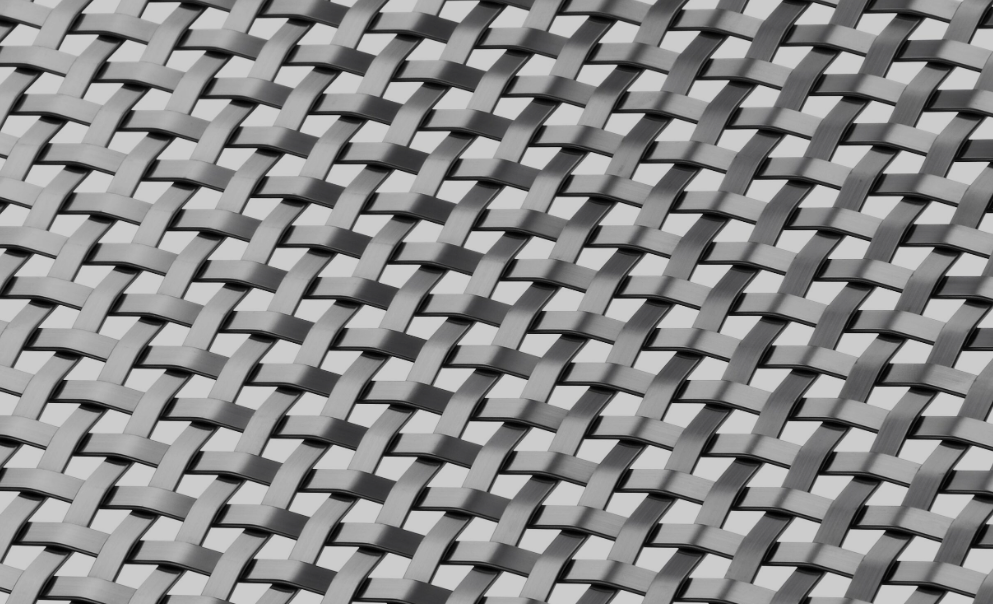
Imagine a material that is both a whisper and a wall, a visual filter that plays with light and shadow, that can define a space without confining it. This isn’t some futuristic smart glass, it’s something with a far more tactile and ancient soul—decorative mesh. We’re stepping beyond the chain-link fence of your schoolyard memories and into a world where metal, polymer, and wire are woven into the very fabric of sophisticated design. This is the realm where decorative mesh does its magic, effortlessly blending hardcore function with sheer, undeniable beauty in our modern interiors. It’s the unsung hero of the design world, and it’s high time we pulled back the curtain, or should I say, the screen.
The Duality of Seeing and Being Seen
Let’s talk about one of the coolest superpowers of decorative mesh: its ability to create privacy without plunging a room into a dungeon-like gloom. Think about the classic solutions—a solid wall, a heavy curtain. They get the job done, sure, but they also kill the vibe, severing sightlines and halting the flow of light and air. Now, picture a room divider made of a finely woven brass or stainless steel decorative mesh. It elegantly separates the home office from the living area, for instance. You get a visual cue of separation, a sense of your own designated zone, but you haven’t lost the connection to the rest of the space. You can still hear the family, see the blurred movement of life happening just beyond, and most importantly, light filters through, creating these ever-changing patterns on the floor throughout the day.
This isn’t just about dividing rooms, it’s about creating layered experiences. On a grander scale, consider a staircase. A solid balustrade feels heavy and obstructive. But a panel of laser-cut or expanded metal decorative mesh transforms it into a dynamic sculpture. As you walk up or down, your view of the surrounding area is subtly filtered, framed by the intricate pattern of the mesh. It provides the necessary safety function—keeping you from taking a tumble—while adding a kinetic art piece that changes with your perspective. The function is security and separation, the beauty is in the permeable, poetic way it manages that task, a far cry from the cold, hard barriers we’re used to.
And let’s not forget exterior applications that blur the line between inside and out. A sliding screen made of weather-resistant decorative mesh on a patio or behind a large window can modulate sunlight, provide a windbreak, and offer a degree of privacy from the outside world, all while maintaining that crucial visual connection to nature. You feel sheltered but not shut in, private but not isolated. This delicate balance is something very few other materials can achieve with such grace and strength.
A Textural Tango in a Flat World
We live in a world obsessed with smooth, flat screens and minimalist surfaces. It’s clean, it’s modern, but let’s be honest, it can sometimes feel a bit… sterile. This is where decorative mesh waltzes in with a textural tango that can wake up any space. Texture is the secret ingredient that gives a room soul, that makes it feel lived-in and interesting. And what provides more compelling texture than a material that is literally woven, perforated, or expanded into a three-dimensional pattern? The very nature of decorative mesh introduces a tactile quality that begs to be touched, even if from a distance. Your eyes trace the patterns, your brain imagines the feel of it, and suddenly, the wall is no longer just a wall, it’s an experience.
You can go bold with it. Imagine a full feature wall in a living room clad in a large-scale, geometric decorative mesh panel, perhaps backlit with subtle LED strips. The light doesn’t just glow, it escapes through a thousand little apertures, casting intricate shadows and creating a focal point that is both modern and deeply complex. It becomes a conversation starter, a piece of architectural jewelry. Or, for a more subdued approach, consider cabinet fronts in a kitchen. Instead of plain wood or laminate, a insert of a finer, powder-coated decorative mesh can provide ventilation for appliances while adding a layer of sophisticated detail that is completely unique. It breaks the monotony of flat panels in the most elegant way.
This textural play isn’t limited to grand gestures. Even small accents can leverage the power of decorative mesh. Think of lamp shades, drawer pulls, or framed art pieces that incorporate small sections of woven wire. These elements catch the light differently than their solid counterparts, creating points of shimmer and depth throughout a room. They are the punctuation marks in the sentence of your interior design, adding emphasis and rhythm. In a sea of flat paint and smooth countertops, these textured details provide the visual relief that keeps the eye moving and engaged, proving that decorative mesh is as versatile in its application as it is in its form.
The Unlikely Sustainable Storyteller
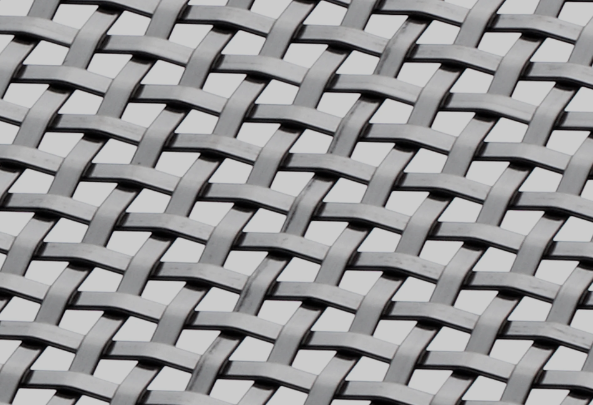
Here’s a angle we don’t always consider: the role of decorative mesh in sustainable and biophilic design. Biophilia is this innate human desire to connect with nature, and designers are constantly looking for ways to bring that feeling indoors. While decorative mesh is often made of metal, its very structure—its woven, net-like quality—echoes natural forms. It can mimic the dappled light through a canopy of leaves, the intricate structure of a spider’s web, or the organic patterns found in coral. When used as a screen in front of a window, it doesn’t just block a view, it filters it, creating a natural, softened panorama that feels more like looking out into a lush forest than a concrete jungle.
Furthermore, the durability of materials like stainless steel or aluminum decorative mesh means it’s built to last. This isn’t a trendy wallpaper you’ll tear down in five years. This is a semi-permanent installation that withstands wear and tear, reducing waste over the long term. Its open structure also plays well with environmental control. A decorative mesh ceiling system, for instance, can conceal HVAC, lighting, and sprinkler systems while allowing for easy access and maintaining air circulation, contributing to a more efficient and manageable building environment. It’s a workhorse disguised as a show pony.
And let’s talk about light. The most sustainable light source is, of course, the sun. By using decorative mesh partitions and screens instead of solid walls, you allow natural light to penetrate deeper into a building’s interior. This reduces the reliance on artificial lighting during the day, saving energy and creating a healthier, more naturally illuminated environment for occupants. The mesh acts as a diffuser, softening harsh direct sunlight and eliminating glare, making the ambient light more pleasant and usable. So, that beautiful brass screen isn’t just a pretty face, it’s a passive energy-saving tool, a storyteller weaving a narrative of connection and responsibility.
From Industrial Soul to Designer Gold
It’s fascinating to trace the journey of decorative mesh. Its origins are purely functional and deeply industrial—think conveyor belts, filtration screens, and protective guards on machinery. It was the gritty, no-nonsense material of factories and workshops, valued for its strength and permeability. But then, as often happens in design, a visionary looked at that industrial grid and saw something else: potential. They saw rhythm, pattern, and a raw, honest aesthetic that could be repurposed. This transformation from industrial soul to designer gold is a core part of its modern appeal.
This industrial heritage gives decorative mesh a certain authenticity that resonates in loft apartments, converted warehouses, and modern commercial spaces. It nods to a building’s history or adds an edge of raw materiality to a otherwise soft interior. Using a perforated or expanded metal decorative mesh as a railing or a room divider instantly injects a loft-like, urban energy into a space. It speaks of a past life, of utility and purpose, which makes its current role as an art object all the more compelling. It’s a piece of design with a backstory.
But don’t think it’s stuck in a rustic, industrial box. The evolution of manufacturing techniques like precision laser cutting and micro-weaving has allowed decorative mesh to become incredibly refined. We now see meshes with patterns so intricate they resemble lace, or designs so precise they could be circuit boards. This versatility means the same fundamental material can fit into a steampunk-themed bar, a minimalist Scandinavian home, or a luxurious, opulent hotel lobby. The decorative mesh of today is a chameleon, able to shed its rugged skin and dress up in virtually any aesthetic, proving that its core concept is timeless, even as its execution becomes ever more sophisticated. It’s a testament to the fact that the best design ideas are often the simplest ones, repurposed and reimagined for a new context.