

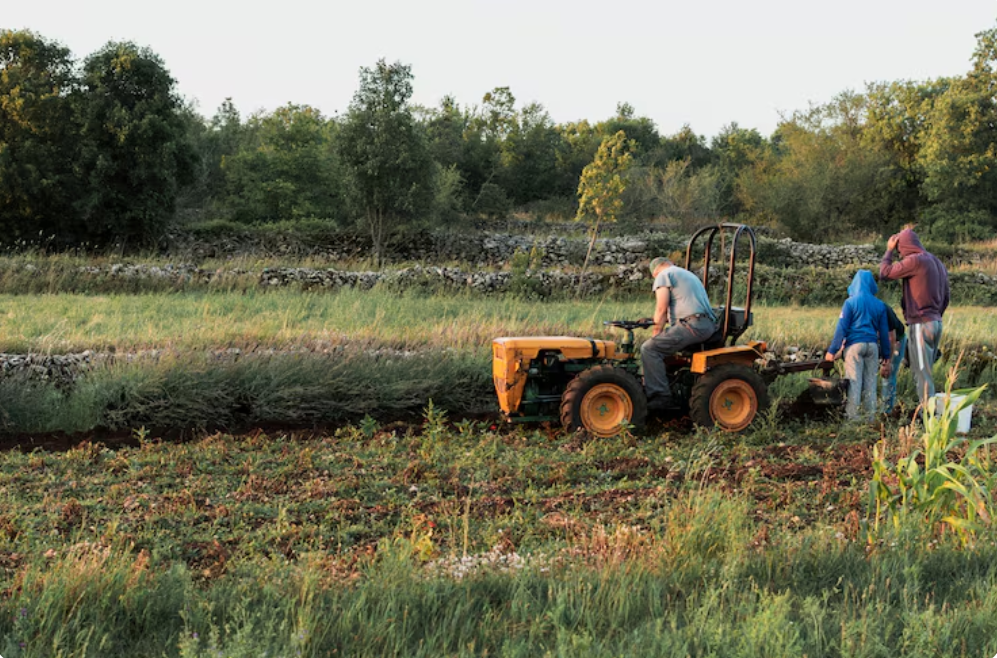
Across many villages in Uttar Pradesh, farming continues to shape everyday life. Families depend on their fields not just for income, but for their entire way of living. But even in areas with rich soil and generations of experience, farmers working with small plots often struggle to reach their full potential. Tools that could make a big difference are either out of reach or not commonly used, until now.
Tractor implements, once seen only on large farms, are slowly becoming more common on smaller ones too. These attachments, when used with a basic tractor, help farmers finish important tasks quicker, more precisely, and with less stress. Whether it’s tilling the soil, planting seeds, or applying fertiliser, these tools are changing the pace and outcome of farming.
Easing Daily Struggles with Practical Solutions
On a small farm, every hour and every rupee matter. For a long time, sowing, weeding, and harvesting were done by hand. It took time, required extra help, and didn’t always give the best results. Now, with a single tractor and the right attachments, a farmer can cover more land and do the work with fewer hands involved.
A good example is reduced time-intensive field preparation, such as half the time spent tilling soil using a rotavator. Tillage is made more even. This implies that there is increased water retention, reduced weeds and quicker seed germination. All these without overworking the farmer, even before the season has started.
Tools That are Making the Most Difference
Different seasons bring different tasks. And every crop, whether it’s wheat, mustard, or vegetables, demands something specific. These are a few implements that are finding their way into small farms across the state: Cultivators loosen topsoil and uproot early weeds before sowing.
- Seed drills plant seeds at equal depth and spacing, which leads to stronger plant growth.
- Sprayers help distribute fertilisers and pesticides evenly, saving both time and product.
- Rotavators turn soil quickly and create a uniform seedbed.
- Trailers transport produce, compost, or tools without needing outside help.
- All of these tools work well with compact tractors that are now available at reasonable prices.
Stories From Real Farms
In Rae Bareli, a group of farmers used to spend a whole day sowing wheat on just one acre. Now, with a shared seed drill, they finish the job before noon. And their crops look more consistent, too. In eastern parts like Gorakhpur, vegetable growers have been using sprayers to apply fertilisers with more control. The leaves look healthier, becoming a successful farmer and pest damage is down.
Even in dry patches of Bundelkhand, farmers say using a rotavator helped them trap more moisture in the soil. That little difference helped their seeds sprout better during a delayed monsoon. These results aren’t rare anymore. As more farmers try these tools, their confidence in mechanisation grows.
Cost is a Concern, But Options Exist
No one denies that buying equipment costs money. But there are ways to reduce the burden. Many farmers are buying tools together and sharing them. Local co-operatives are also stepping in. Government schemes, including subsidies for machinery, have helped many farmers take the first step.
Brands like Mahindra now offer a variety of compact tractors that are affordable and strong enough for smaller fields. They also provide implements that match Indian farming needs. Farmers who invest once, even modestly, often recover their costs within one or two seasons by saving on labour and getting better yields.
Picking What Works
Before buying any tool, it’s smart to ask a few questions:
- What kind of crop will I grow next?
- How large is my field, and is the land flat or uneven?
- What problem am I trying to solve: speed, accuracy, or both?
- Can I afford to share the tool with someone else nearby?
There’s no point in buying a sprayer if fertilisers are applied by hand just once a season. But if you grow short-cycle crops throughout the year, that same sprayer might pay for itself quickly. Choosing based on your land and workload avoids waste and adds value.
Helping the Land, Not Just the Farmer
Better tools not only save time, but they also protect the land. When fertilisers are spread evenly, runoff reduces. That helps keep the soil balanced and nearby water sources clean. When crop residue is managed with implements instead of being burned, air stays cleaner and soil gains nutrients.
Some farmers have started mulching with older crop waste using simple tractor-run tools. This improves soil structure, retains moisture, and makes the next planting easier. What once seemed like advanced practices are now becoming part of everyday farming.
A Shift That’s Just Beginning
Change doesn’t happen overnight. But the signs are visible. Workshops held by agriculture departments are attracting more visitors. Younger farmers are helping older ones try out machines. In some villages, a single tool like a cultivator is shared by six or seven families, because they’ve seen what it can do.
Even simple changes are making big impacts. Faster sowing means more time to manage pests. Stronger plants mean better survival during dry spells. These differences, although small, add up quickly.
The Road Ahead
For small farmers in Uttar Pradesh, the future of farming doesn’t have to be expensive or complicated. It just needs to be practical. Tractor implements offer a way to save effort, boost results, and care for the land more responsibly.
As knowledge spreads and access improves, more farmers will take advantage of these tools. And with every field that benefits, more families get a better chance at security, income, and dignity in their work.