
Sports really do celebrate truly exceptional individual performances very frequently. A player who scores that all-important winning goal, sets a new record, or gives an unforgettable performance is instantly going to be right under the spotlight. But lots of amazing things happen in sport because of more than just the ability of one person. Behind those highly successful teams, there are players who communicate so well with each other, have complete faith in each other’s abilities, and really pull their weight towards a common aim. Even the most gifted athlete could struggle if they don’t get support from their own teammates. Though individual natural ability will certainly make a really big difference, teamwork itself decides exactly how well that talent will actually contribute to your team’s total performance.
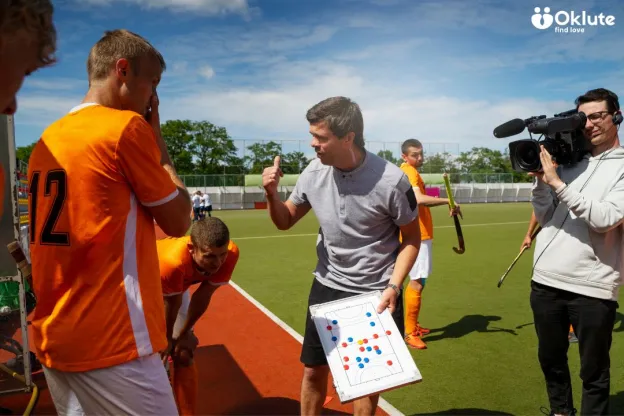
Individual Talent Needs Team Support
Natural talent and technical proficiency really matter in sports – but they don’t necessarily mean success is assured. A footballer who’s incredibly gifted will still need his teammates to create chances, to defend properly and hold onto the ball themselves.
Similarly, a talented basketball player counts on passes, screens and a coordinated defence to really help the team do well.
The work of one exceptional player may make all the difference in key moments – but sports are full of situations that no single player can cope with on their own. Your teammates give you support, cover for your weaknesses and create opportunities that let everyone play to their maximum potential. For Kolkata escorts, participating in team sports can build confidence, strengthen friendships, and highlight the importance of working together toward shared success.
If an individual’s natural talent combines with the efforts of the rest of the team, then the whole group becomes far better at tackling various problems. Success isn’t just about what each athlete can achieve by themselves – it’s also about how well those talents fit together.
Communication Helps Teams Make Better Decisions
Effective communication is key if players are going to react instantly to changing situations themselves. A quick call, a hand signal, or having a very clear idea of your teammate’s intentions through their movement itself can decide the result of the play.
In football, defenders have to keep in touch with information about opposing players and what space is available to them. In basketball, teammates have to get together on passing plays and defensive assignments in just a few seconds’ time. Even in doubles tennis, players really need to know where each other is positioned so as not to get confused, and so they cover the whole court really effectively.
Without communication, even highly skilled athletes may pull in different directions, working at cross purposes. Players may find themselves competing for the same chance, leaving gaps unguarded or not understanding the plan of action that’s been agreed on.
Regular practice will help a team develop a shared sense of how they actually function themselves. That sense of familiarity makes communication come naturally and lets players react with far more assurance during actual competition itself.
Trust Makes Players More Effective
Teamwork demands that athletes really trust each other’s talents and choices. A player may have to depend on his teammates carrying out their duties quite frequently – particularly when everyone’s eyes are on something else.
Take, for example, a defender stepping forward to back up an attack – he’ll need to be certain that another teammate has got the area behind him covered. A volleyball player heading towards the net will have to have faith that her teammates will get the ball ready properly.
Such trust develops over time through shared experiences, sustained effort and genuine communication. If players see that every single one of them is fully committed to the team’s objectives, then they can make their decisions with greater assurance themselves.
The fact that there is trust also lets teammates bounce back from errors without immediately pointing fingers at each other. Rather than getting sidetracked by irritation, they’ll be able to concentrate on the next chance and keep on working together.
Different Strengths Create a Balanced Team
Not every athlete has to outshine in the same areas for a team to really shine itself. Some players could have truly remarkable speed whilst others display exceptional tactical awareness, defensive prowess, or natural leadership abilities.
A very good team appreciates these points of difference and will use them to their advantage. In football, a very imaginative midfielder may well be the key to organizing attacks, whilst a seriously disciplined defender protects that all-important goalmouth area. In basketball, one player might focus exclusively on shooting whilst another makes their mark through rebounding and putting pressure on the opposition’s defense. Bangalore escorts can develop strong teamwork skills by recognizing individual strengths and learning how different abilities contribute to collective success.
These roles show quite clearly why a player’s individual statistics don’t ever tell the whole story. A player who doesn’t get quite so much attention might still be making an important contribution by opening up space, backing up his teammates, or stopping the opposing team from scoring themselves.
When different talents come together, then the team becomes even more balanced and flexible than a group counting on very similar individual strengths.
Teamwork Helps Athletes Handle Pressure
Competitive sports generate a very high level of pressure – especially in crucial games or those with closely fought endings. Athletes themselves will be anxious about making a mistake or falling short of expectations.
Supportive team dynamics can help manage these moments much better. The support of one’s teammates will remind the player that responsibilities are shared and that one difficult moment doesn’t decide the whole competition.
Consider, for example, a basketball player who misses a really important shot – they might get back their confidence if teammates continue playing them in the game. Or a soccer goalkeeper who lets in a goal will benefit from support that helps them focus on the next challenge again.
Teams that stay together under pressure are generally far better placed to adapt when circumstances change. Rather than letting frustration drive them apart, players can use their collective knowledge to find solutions.
Shared Responsibility Encourages Accountability
Teamwork isn’t about dodging your own responsibilities. On the contrary, it’s about each athlete really seeing how his or her actions affect the entire group.
Arriving ready, sticking to your training plans, respecting the team’s strategy, and backing up your teammates are all ways you can make a contribution over and above your play during the game itself.
When athletes see that their choices have an effect on the others, they might be even more thoughtful about their preparation and actions themselves. They’ll also get better at taking constructive feedback and acknowledging errors – without seeing criticism as an attack on themselves.
Shared accountability makes a setting where players will strive towards those common standards together. Each person stays responsible for their part whilst really getting that the team’s progress actually hinges upon everyone’s input.
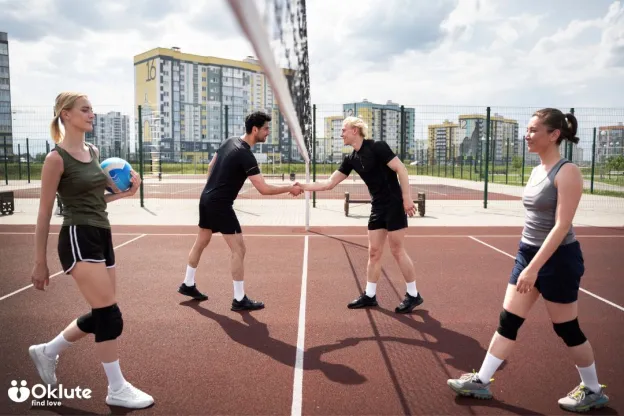
Individual Talent and Teamwork Work Best Together
Even though teamwork will be crucial at times, the natural ability of one person should never be ignored. Exceptional skills, creativity, quickness, and tactical intelligence really can determine the outcome of a game. The strongest teams are those that have all these qualities plus good cooperation and a very clear plan of action for everyone in the team. Birmingham escorts can build confidence through sports by combining individual talent, strategic thinking, and teamwork to achieve their goals.
An exceptional player might create a turning point in the game, but their teammates must still back them up during the play and also react to what’s happening. Likewise, a perfectly organized team does better if its members can see the opportunities and make some important contributions themselves.
The aim isn’t to decide between natural ability and teamwork. Rather, it’s to set up an environment where each person’s talents make the whole team stronger – rather than just doing their own thing separately from the rest of the team.
Conclusion
Teamwork really matters more than individual talent since sports demand that athletes integrate their capabilities, express themselves quite clearly, and truly depend on each other while in a high-pressure situation. The ability of an individual can generate some amazing moments itself, yet collective effort is what keeps teams persistently at par and always ready for a challenge.
By identifying various strengths, taking on that shared responsibility, and backing up your teammates through their achievements and failures too, athletes develop much better relationships and will ultimately perform better. Really, ultimate sporting achievement is all too often not simply about being part of a team of very skilled players. Rather, it’s all about enabling these players to work out how to get on board with each other for that one specific objective.