
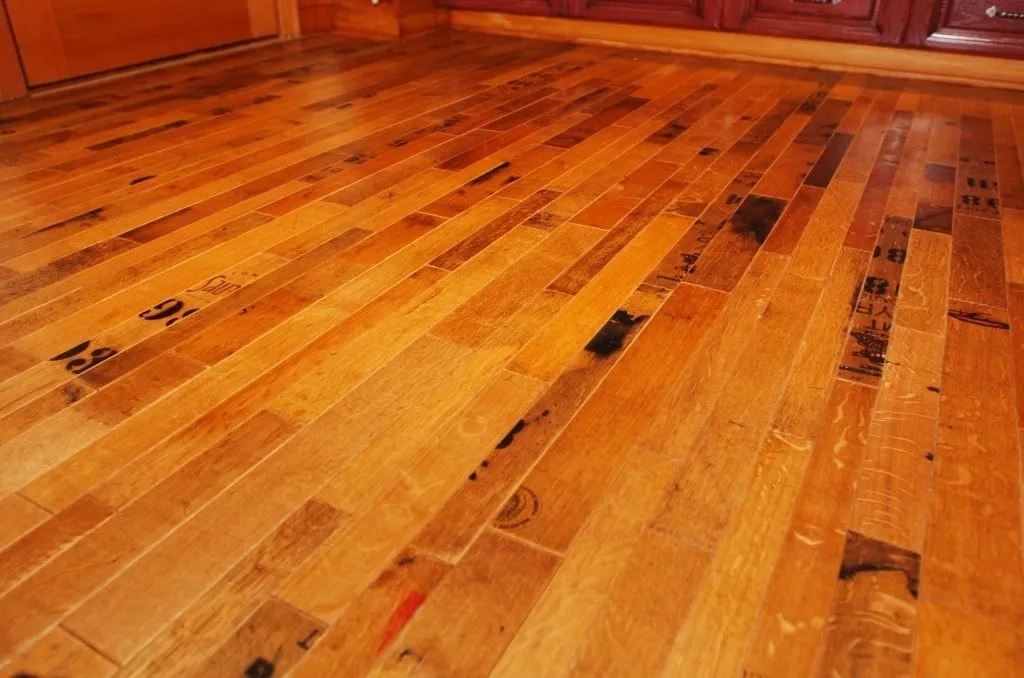
Flooring in a wine cellar carries more responsibility than it does in many decorative rooms. It sits in a controlled environment, supports heavy racks and cases, receives occasional spills, and must still fit the visual language of the home. Choosing by appearance alone can overlook how the material will behave over time.
The practical approach is to compare materials against the actual room. Subfloor condition, moisture exposure, maintenance preferences, traffic, and the surrounding finishes all matter. A good floor should feel intentional under the design while quietly handling daily use.
Begin With the Subfloor
The visible material is only the top layer. Concrete, wood framing, previous finishes and any signs of moisture should be understood before a new surface is selected. Uneven or damp substrates can create problems regardless of how attractive the finish is.
That is why choosing the best flooring for a wine cellar starts with the room beneath it. Preparation, compatibility, and installation method are as important as color and texture.
Consider How Moisture Changes the Decision
A cooled cellar can have different temperature and humidity conditions from adjacent rooms. Materials and adhesives should be appropriate for that environment, and transitions at doors should be detailed carefully so movement or moisture does not create premature failure.
For wine cellar flooring for high humidity, the useful question is not whether a material is fashionable, but whether the complete flooring assembly suits the expected conditions. Surface, underlayment, adhesive, and subfloor preparation all work together.
Think About Weight and Point Loads
Wine bottles become heavy in quantity, and racks concentrate that weight in specific places. Flooring should provide a stable surface under loaded storage and remain comfortable under repeated foot traffic.
This is also a reason to finalize rack locations before flooring details are complete. Knowing where the heaviest loads sit can influence transitions, expansion allowances, and how delicate decorative sections are positioned.
Choose Texture With Cleaning in Mind
Highly textured surfaces can look rich, but deep grooves may collect dust, and make spills harder to clean. Extremely smooth floors may be easier to wipe, yet they can show scuffs or become slippery when wet.
A balanced surface usually works best for a frequently used cellar. The owner should be able to maintain it without specialized routines, especially in areas near the entrance where dirt and moisture are most likely to be carried in.
Connect the Floor to the Rest of the Home
Flooring can help the cellar feel integrated. Repeating stone, wood tone, or tile proportions from an adjacent room creates continuity, while a deliberate contrast can signal that the cellar is a distinct destination.
The transition itself deserves attention. A poorly placed threshold can interrupt an otherwise elegant glass doorway. Planning floor levels and material changes early keeps the entrance visually clean and physically comfortable.
Test Samples in the Actual Light
Cellar lighting is often warmer or dimmer than showroom lighting. A material that looks neutral under bright retail fixtures may appear much darker once installed. Samples should be viewed beside the planned wall and racking finishes.
It is also helpful to place a few bottles on or near the sample. Labels, glass, wood, and metal all influence the final palette. Seeing them together prevents the floor from becoming unexpectedly dominant in a room where the collection should remain the focus.
Check Transitions at the Doorway
Flooring problems often appear where two rooms meet. Different material thicknesses, thresholds, and door clearances should be resolved before installation so the transition does not create a lip, awkward trim piece, or interference with the door.
This detail matters visually in glass-fronted cellars because the threshold remains in view. A clean transition helps the floor feel intentional and makes it easier to move cases or cleaning equipment across the entrance without catching an edge.
Conclusion
Wine cellar flooring is successful when it supports the environment, the weight of the collection, regular maintenance, and the surrounding architecture at the same time. Durability and compatibility should narrow the choices before color and pattern make the final decision.
Homeowners comparing flooring approaches can review projects at customwinecellarslosangeles.com and evaluate each idea against the conditions, subfloor, and maintenance expectations of their own cellar.