

Wine racks do more than hold bottles. Their material, spacing, orientation, and visual weight affect how large a room feels and how easily a collection can be read. That is why choosing racking by style alone can produce a room that looks attractive in isolation but feels disconnected from the rest of the home.
A better approach is to begin with the atmosphere the room should create. Warm and enclosed, light and architectural, traditional and detailed, or restrained and modern are all valid directions. The useful question is which racking language supports that direction while still handling the collection well.
Wood Brings Texture and Visual Weight
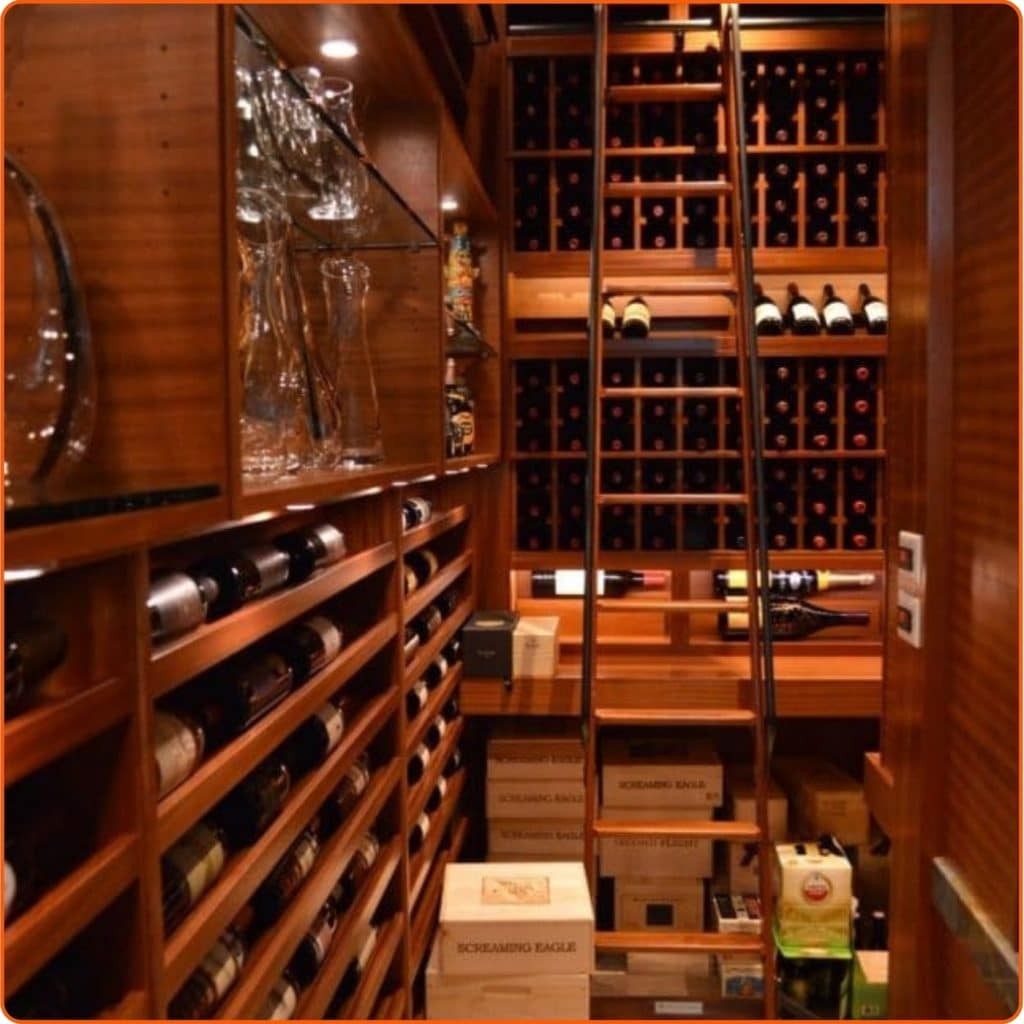
Wooden racks can make a cellar feel established and furniture-like. Grain, stain, edge profiles, and column spacing create rhythm across a wall, so the material becomes part of the architecture rather than disappearing behind the bottles.
Well-planned Wooden Custom Wine Cellar Racks can also combine individual bottle slot’s, display rows, bins, and larger openings. That flexibility is useful when a collection includes everyday bottles alongside cases or formats that do not fit a single repeated opening.
Contemporary Systems Create More Visual Air
Modern racking often reduces the amount of material visible around each bottle. Metal supports, label-forward arrangements, and open compositions can make a collection appear to float against a wall or glass enclosure, which suits rooms where the surrounding architecture is meant to stay visible.
The openness changes the way the eye moves through the room. Instead of reading the storage as a solid wall of cabinetry, the viewer sees bottles, negative space, and background surfaces together. That can make a tight room feel less visually dense.
Bottle Orientation Changes the Experience
Cork-forward storage emphasizes capacity and repetition, while label-forward presentation makes specific bottles easier to recognize. Neither is automatically better. The right mix depends on whether the owner values maximum storage, fast selection, or a stronger display effect.
A collection that changes frequently may benefit from visible labels in key areas. Long-term storage can remain denser. Mixing orientations with purpose creates a room that feels varied without becoming busy, and it helps separate display zones from straightforward storage zones.
Match the Racks to the Architecture
Before choosing a finish, look at flooring, millwork, metal hardware, wall color, and nearby furniture. Racking that echoes one or two existing materials usually feels more integrated than a system selected as a standalone feature.
That same principle applies to Contemporary Wine Cellar Racks. A minimal rack can look elegant in the right setting, but its proportions, spacing, and finish still need to relate to the room around it. Modern does not mean visually disconnected.
Consider Maintenance Before Choosing a Finish
Highly detailed woodwork and open metal systems age differently and ask for different kinds of care. Dust gathers in corners, bottle labels shed paper fibers, and narrow spaces can be harder to wipe down. The best material is one the owner is comfortable maintaining as well as looking at.
Finish samples should be viewed in the actual room when possible. Warm lighting can deepen a stain, while cooler light may emphasize metal tones. Seeing materials beside the flooring and wall finish helps prevent a choice that looked right on a screen but feels too heavy or too stark in place.
Plan for the Bottles That Break the Pattern
Most collections contain a few bottles that do not fit the standard rhythm. Sparkling wine, Burgundy shapes, magnums, and presentation boxes can disrupt an otherwise efficient rack if there is nowhere intentional for them to go.
A small percentage of flexible openings keeps those bottles from ending up on the floor or on top of racks. It also makes the design look deliberate. The irregular formats become part of the composition instead of appearing as storage problems that were added after the room was finished.
Conclusion
The most convincing racking choice is the one that serves both the bottles and the room. Capacity, access, bottle sizes, display priorities, and the existing interior should all influence the decision before a material is chosen.
For homeowners comparing traditional and modern approaches, customwinecellarssanfrancisco.com provides a useful reference point for thinking about racking as part of the entire space rather than as an isolated storage product.